Free Shipping for all Order of AED 99 Enjoy a 10% discount on your first order! Coupon code : welcome10

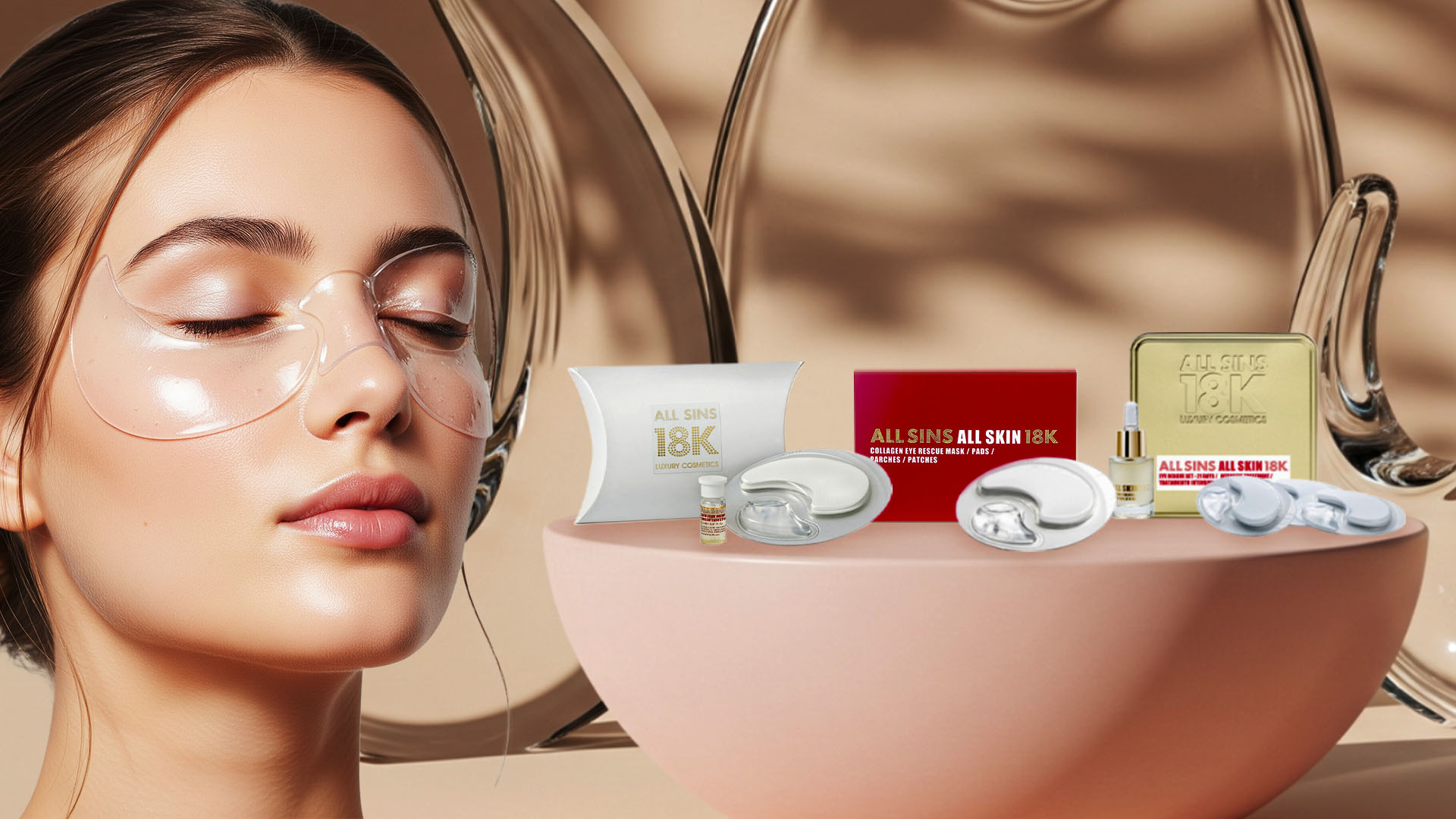
Collagen Eye Rescue Mask: Your Simple Fix for Tired Eyes

If your eyes often look tired, puffy, or dull—especially after long days, lack of sleep, or too much screen time—the Collagen Eye Rescue Mask might be your new best friend. Living in the UAE, whether you’re in Dubai, Abu Dhabi, Sharjah, Ajman, Ras Al Khaimah, Fujairah, or Umm Al Quwain, the weather and lifestyle can be tough on your under-eye skin.

The good news? With the right eye mask, you can bring back that fresh, rested look—without fancy treatments. Let’s dive into how collagen eye masks work, what types are available, and why they’re a must-have in your skincare kit.

What Is a Collagen Eye Mask?

A Collagen Eye Mask is a small, soft patch or sheet designed to fit right under your eyes. It’s packed with ingredients like collagen, hyaluronic acid, peptides, and skin-loving serums.

These masks are meant to:

  • Hydrate the skin
  • Reduce puffiness
  • Soften fine lines
  • Brighten dark circles

Over time, regular use helps give your under-eye area a smooth, youthful glow.

How Does It Work?

The skin around your eyes is super thin and delicate. It dries out faster and shows signs of tiredness and aging more quickly than other areas.

A Collagen Eye Mask works by:

  • Delivering collagen and hydration directly into the skin
  • Helping skin lock in moisture
  • Reducing signs of stress and fatigue
  • Boosting elasticity for a firmer, lifted look

You simply place the patches under your eyes, relax for 15–20 minutes, and let the ingredients soak in.

Benefits of Collagen Eye Masks

Here’s why these little masks are making a big impact:

1. Smooth Fine Lines & Wrinkles

The collagen and peptides in the Anti-Aging Eye Mask with Collagen and Eye Mask for Fine Lines and Wrinkles help fill in fine lines and make the skin look smoother.

2. Brighten Dark Circles

Anti-Dark Circles Eye Mask and Eye Mask for Dark Circles and Puffiness work on those dark shadows many of us get from stress, lack of sleep, or long hours.

3. Reduce Puffiness

The Decongesting Eye Mask (Puffiness) cools and calms swollen under-eye areas, especially after hot days in Fujairah or Ras Al Khaimah.

4. Deep Hydration

The Hydrating Eye Mask and Moisturizing Eye Mask are perfect for dry climates like Abu Dhabi or Ajman, locking in moisture and soothing dryness.

5. Lift & Tighten

The Eye Contour Lift Collagen Mask and Eye Mask for Skin Elasticity gently lift the skin for a more youthful appearance.

Popular Types of Collagen Eye Masks

Here’s a quick look at the different types you’ll find:

Type of Eye Mask

Best For

Key Benefit

Collagen Hydrogel Eye Patches

Everyday use

Cooling, firming, easy to use

Anti-Aging Eye Mask with Collagen

Mature skin

Smooths wrinkles and fine lines

Hydrating Eye Mask

Dry or tired eyes

Deep hydration and soothing feel

Replumping Eye Mask

Thin or sagging under-eye skin

Adds volume and bounce

Anti-Dark Circles Eye Mask

Dull, tired eyes

Brightens and revives the look

Serum-Infused Eye Mask

Extra nourishment

Delivers active ingredients deeply

Eye Rescue Balm / Under Eye Patches with Collagen

Quick fix before events

Immediate glow and refresh

Collagen and Hyaluronic Acid Eye Mask

All skin types

Ultimate hydration + plump look

Flash Filler Hyaluronic Acid Eye Mask

Aging or dry under-eye skin

Fills fine lines temporarily

Collagen Infused Eye Sheet Mask

Weekly deep care

Overall brightness and firmness

Soothing Eye Mask

Sensitive skin

Gentle and calming on the skin

How to Use a Collagen Eye Rescue Mask

Using a Collagen Eye Mask is quick and easy:

  1. Cleanse your face gently.
  2. Apply the patches under your eyes (smooth side down).
  3. Relax for 15–20 minutes.
  4. Remove the patches and lightly tap in any leftover serum.
  5. No need to rinse.

Use it 2–3 times a week for best results.

Why It’s Perfect for UAE Residents

In the UAE, your skin deals with:

  • Dry air in Abu Dhabi and Sharjah
  • Humidity in Dubai and Ajman
  • Sandstorms in Ras Al Khaimah
  • Sun exposure in Fujairah and Umm Al Quwain

All of this can leave your under-eye skin dry, dull, or tired. That’s why adding a Collagen Eye Rescue Mask to your routine is so helpful—it protects and refreshes your delicate eye area, no matter which emirate you live in.

FAQs: Collagen Eye Masks

1: Are Collagen Eye Masks safe for all skin types?

 Yes, most are gentle and suitable for all skin types. If you have sensitive skin, look for Soothing Eye Masks.

You can, but 2–3 times a week is enough for most people.

Either! Use it before makeup in the morning for a fresh look or at night to relax and recover.

 Some people see brighter, smoother eyes after one use. With regular use, long-term results improve.

 No. Just tap in the leftover serum and let it absorb.

If you’re looking for a fast, easy way to take care of your under-eye skin, the Collagen Eye Rescue Mask is a must-try. Whether you’re facing the desert heat in Sharjah, city stress in Dubai, or sea breeze in Fujairah, your eyes deserve a little love and care.

At Ajak Medical, you’ll find reliable, quality options for every skin need—whether it’s the Collagen and Peptide Eye Mask, a Flash Filler Hyaluronic Acid Eye Mask, or a simple Moisturizing Eye Mask.
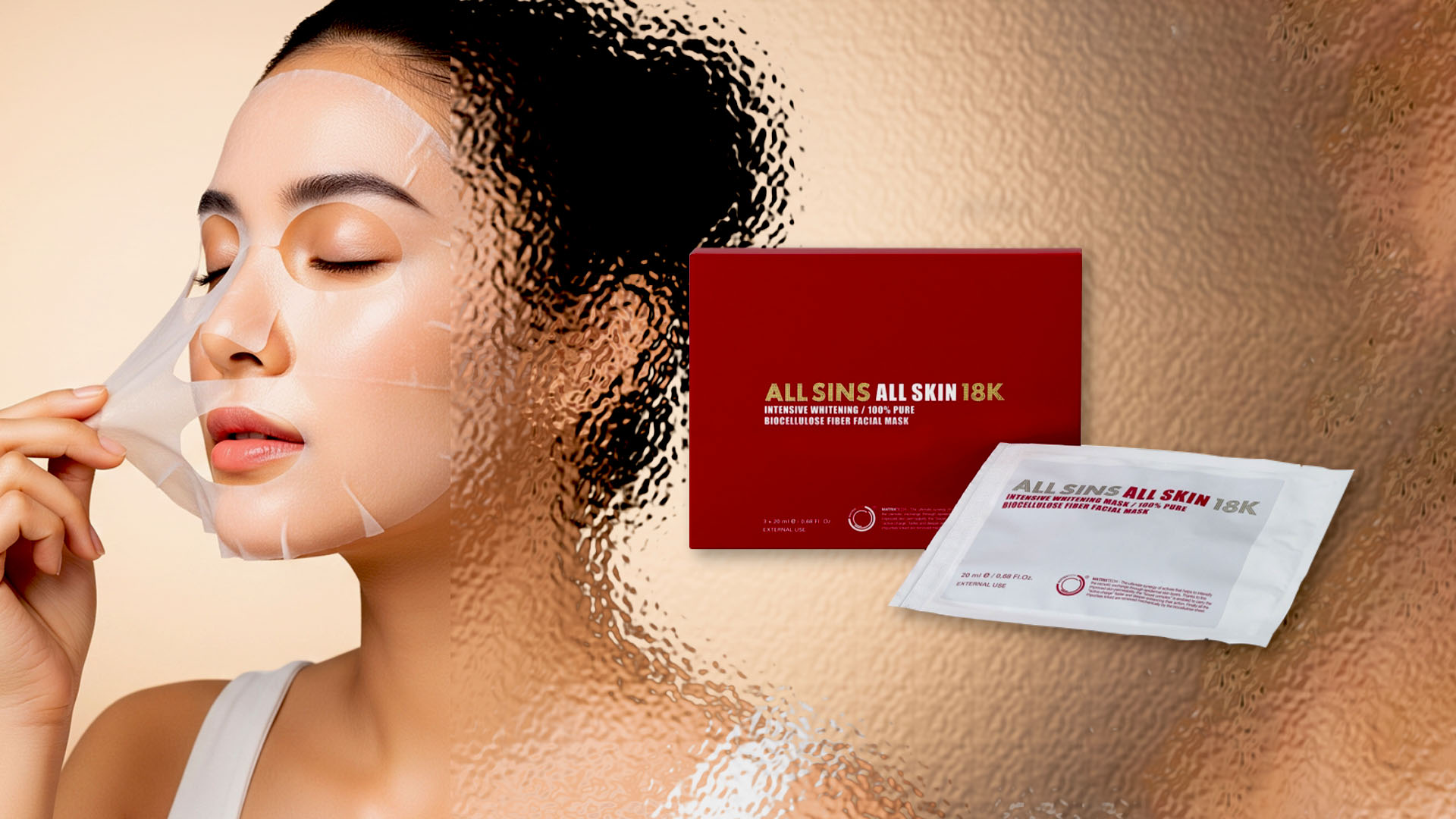
Whitening Mask: A Simple Guide to Brighter, Healthier Skin

Do you want clear, glowing skin? A whitening mask might be just what you need. Whether you’re in Dubai, Abu Dhabi, Sharjah, Ajman, Fujairah, Ras Al Khaimah, or Umm Al Quwain, your skin faces dust, heat, and strong sunlight every day. These can make your skin look dull, dark, or uneven.

This blog will help you understand what a whitening mask is, how it works, the different types available, and how it can help your skin look fresh and bright. We’ll also answer some common questions at the end.

What Is a Whitening Mask?

A whitening mask (also called a brightening mask, facial whitening mask, or skin brightening mask) is a skincare product that helps make your skin look:

  • Brighter
  • Smoother
  • Clearer
  • More even-toned

It doesn’t change your skin color. Instead, it helps reduce dark spots, sun damage, and dullness caused by pollution, tiredness, and the sun.

These masks are also known as:

  • Whitening face mask
  • Fairness mask
  • Whitening sheet mask
  • Whitening skincare
  • Glow mask
  • Skin lightening mask
  • Whitening gel mask
  • Whitening peel-off mask
  • Whitening mud mask
  • Natural whitening mask
  • Whitening pack

How Does a Whitening Mask Work?

Your skin produces melanin—a natural pigment that gives your skin its color. When you stay in the sun too long or your skin is damaged, it may make more melanin in certain spots. This leads to dark patches or uneven skin.

A whitening mask works by:

  • Reducing extra melanin
  • Cleaning dead skin cells
  • Hydrating and calming the skin
  • Helping new, healthy skin show up on the surface

After using it, your face looks fresh, clean, and brighter.

Benefits of Whitening Masks

Using a skin whitening mask 2–3 times a week can help your skin in many ways:

1. Brighter Skin

Gives your face a natural glow and shine.

2. Fades Dark Spots

Helps reduce marks from pimples or sun.

3. Makes Skin Even

Fixes patchy skin and gives a smooth look.

4. Moisturizes

Hydrates your skin, especially in dry places like Fujairah or Abu Dhabi.

5. Cleans Pores

Whitening mud masks and peel-off masks remove dirt and oil.

6. Quick and Easy

No need for long treatments. Just apply, wait, and wash off.

Types of Whitening Masks

There are many kinds of facial whitening masks. Choose the one that suits your skin best:

Type of Whitening Mask

Good For

What It Does

Whitening Gel Mask

Dry or sensitive skin

Cools, hydrates, and brightens skin

Whitening Peel-Off Mask

Dull or tired skin

Removes dead skin and dirt

Whitening Mud Mask

Oily or acne-prone skin

Absorbs oil, clears pores

Whitening Sheet Mask

All skin types

Easy to use, full of vitamins

Natural Whitening Mask

Gentle daily use

Soft and safe with plant-based ingredients

Whether you live in hot Sharjah, humid Ajman, or the windy areas of Ras Al Khaimah, there’s a mask that works for your skin.

How to Use a Whitening Mask

Here’s how to use a whitening face mask the right way:

  1. Wash your face with a gentle cleanser.
  2. Apply the mask evenly on your face.
  3. Wait for 10–20 minutes (check the instructions).
  4. Rinse off or peel off the mask slowly.
  5. Apply a light moisturizer to lock in the glow.

Repeat 2–3 times per week.

Whitening Mask vs Whitening Cream

You may also wonder about the difference between a whitening cream and a whitening mask.

Product

Use

Main Benefit

How Often to Use

Whitening Mask

Once or twice a week

Deep cleaning + instant glow

2–3 times/week

Whitening Cream

Daily use

Brightens slowly over time

Daily

You can use both together. Use the whitening mask to deep clean and the whitening cream every day for long-term results.

Whitening Skincare in the UAE

Each emirate in the UAE has different weather:

  • Dubai and Abu Dhabi: city pollution and sun
  • Sharjah and Ajman: humid and hot
  • Fujairah: sea breeze and salty air
  • Ras Al Khaimah and Umm Al Quwain: dry heat and dust

No matter where you live, a good whitening skincare routine can help protect your skin from dryness, sunburn, and pollution. A weekly whitening pack or glow mask is a great way to stay fresh and clean.

FAQ – Whitening Masks

1: Is a whitening mask safe for all skin types?

Yes, most are safe. If your skin is very sensitive, do a patch test before using.

Yes. Men’s skin also gets dark spots, oil, and dullness. These masks are good for everyone.

No. It does not bleach. It helps you get your natural skin tone back by removing tan and dullness.

Some people see results after 1–2 uses. For best results, use it weekly for a few weeks.

No, 2–3 times a week is enough. Using it too often can make your skin dry.

A whitening mask is a simple and easy way to take care of your skin. Whether you’re working outside in Umm Al Quwain, going to events in Abu Dhabi, or relaxing at home in Ajman, your skin needs love and care.

With so many options—whitening gel mask, mud mask, sheet mask, natural whitening mask, or even a whitening peel-off mask—you can pick the one that suits your skin best.

For all your skincare needs, including trusted whitening masks, shop only from Ajak Medical — your partner for healthy, glowing skin in the UAE.

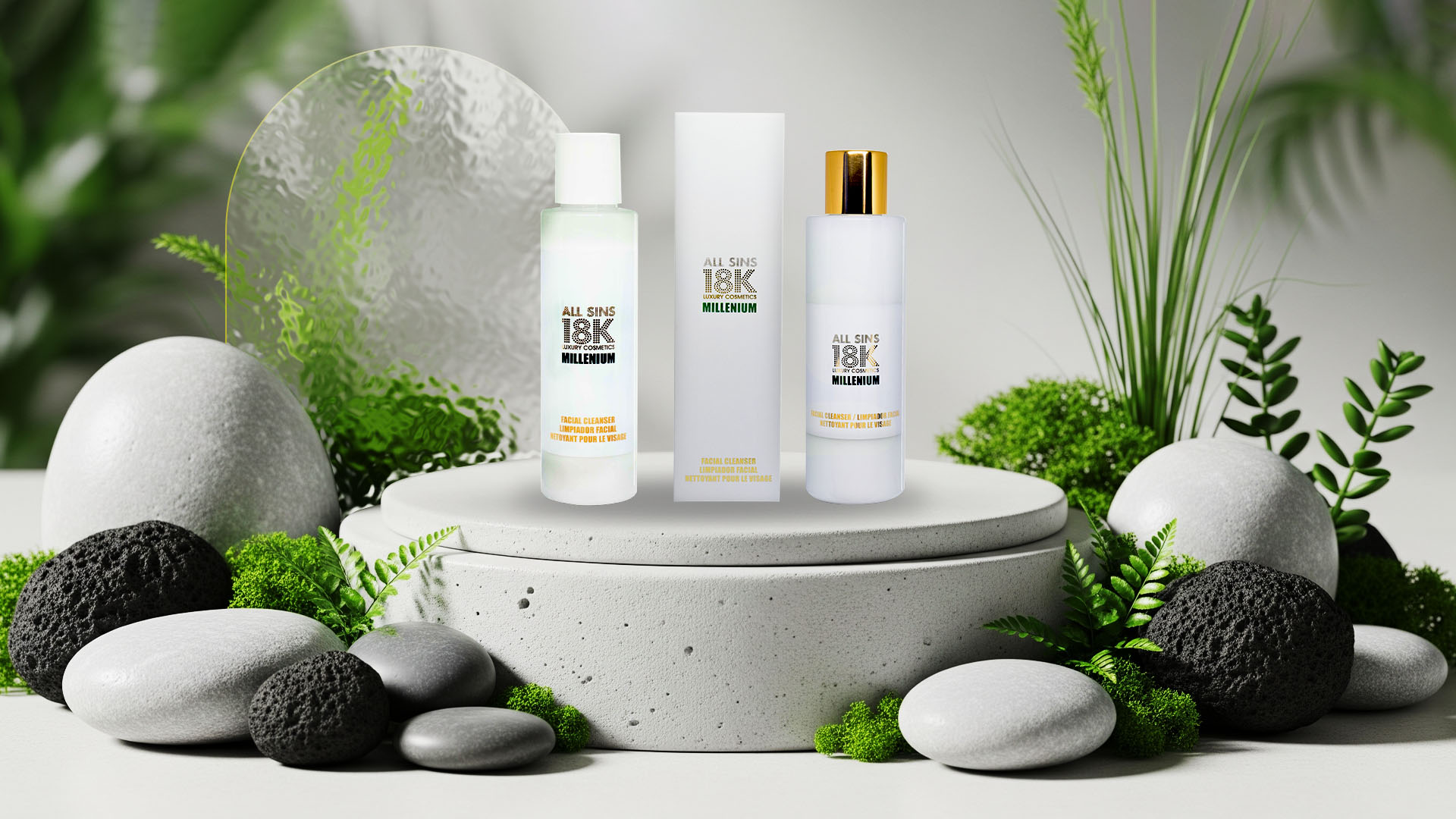
Facial Cleansers: Simple Guide to Clean and Healthy Skin

Using a facial cleanser is one of the easiest and most important steps in skincare. It helps remove dirt, oil, sweat, and makeup while keeping your skin clean and fresh.

In this guide, we’ll explain what a facial cleanser is, how it works, its benefits, which one to choose, and answer common questions to help you take better care of your skin—whether you’re living in Abu Dhabi, Dubai, Sharjah, Ajman, Fujairah, Ras Al Khaimah, or Umm Al Quwain.

What Is a Facial Cleanser?

A facial cleanser is a skincare product made to clean your face. Unlike regular soap, it’s made to be gentle on your skin. It washes away:

  • Dirt
  • Oil
  • Makeup
  • Bacteria
  • Pollution

Cleansers come in different forms like foaming cleansers, gentle cleansers, hydrating cleansers, and salicylic acid cleansers.

How Does a Face Cleanser Work?

When you apply a face cleanser, it works by breaking down oil, dirt, and other particles stuck on your skin. Then, when you rinse with water, all the unwanted build-up is washed away.

Here’s how it works step by step:

  • Removes dirt, sweat, and makeup
  • Unclogs pores to reduce pimples
  • Prepares skin for moisturizer or serum
  • Keeps skin fresh, clean, and healthy

Some cleansers include ingredients like salicylic acid, which go deeper into the pores to fight acne.

Benefits of Using a Facial Cleanser

Using the right face wash every day has many benefits:

  • Removes oil and dirt
  • Prevents pimples and blackheads
  • Keeps pores clean
  • Stops dry or oily patches
  • Prepares your face for creams or treatments
  • Gives your skin a healthy, clean look
  • Feels light and soothing on your skin

Whether you’re in the dry heat of Al Ain or the humid air near the coast in Fujairah, using a facial cleanser is key to keeping your skin in balance.

Types of Facial Cleansers and Who They’re For

Cleanser Type

Best For

Why It’s Good

Foaming Facial Cleanser

Oily, combination skin

Makes bubbles that clean deep

Gentle Cleanser

Sensitive skin

Cleans softly without causing irritation

Hydrating Cleanser

Dry skin

Adds moisture while cleaning

Salicylic Acid Cleanser

Oily, acne-prone skin

Cleans pores and helps reduce breakouts

Cream Cleanser

Dry skin

Soft and rich; good for flaky skin

Gel Cleanser

Oily or acne-prone

Light, cooling, and easy to rinse

Best Face Cleanser for Different Skin Types

For Oily Skin

Use a face cleanser for oily skin that controls shine and reduces acne.

Recommended options:

  • Foaming facial cleanser
  • Salicylic acid cleanser
  • Cleanser for oily skin

For Dry Skin

Use a hydrating cleanser or face wash for dry skin that doesn’t remove natural oils.

Recommended options:

  • Cream cleanser
  • Hydrating cleanser
  • Face cleanser for dry skin

For Sensitive Skin

Use a gentle cleanser or face wash for sensitive skin that has no strong chemicals or fragrance.

Recommended options:

  • Simple face wash
  • Gentle cleanser
  • Face wash for sensitive skin

For Men

Men’s skin is often oilier and thicker. A good face cleanser for men helps clean sweat, oil, and dirt without drying the skin.

Recommended options:

  • Foaming cleanser
  • Face cleanser for men
  • Cleanser for men

Whether you’re working outdoors in Ras Al Khaimah, commuting through Dubai, or enjoying the beach in Ajman, a good cleanser helps keep your skin clean and clear.

How to Use a Facial Cleanser

Follow these easy steps:

  1. Wet your face with warm (not hot) water
  2. Take a small amount of cleanser in your hands
  3. Gently rub it on your face in circles for about 30 seconds
  4. Rinse well with water
  5. Pat dry with a clean towel
  6. Apply a moisturizer right after

Use it twice a day—morning and night—for best results.

Where to Buy Quality Facial Cleansers

Looking for a cleanser that suits your skin type?

Visit Ajak Medical to find:

  • Face cleanser for oily skin
  • Face wash for dry skin
  • Gentle cleanser for sensitive skin
  • Face cleanser for men
  • Foaming and hydrating cleansers

All products are safe, simple, and easy to use in your daily routine—wherever you are in the UAE.

FAQ: Facial Cleansers

1. Can I use a facial cleanser every day?

 Yes. You should use it twice a day—once in the morning and once at night.

They often mean the same thing. But face washes usually foam more, while cleansers can be creamy or gel-like. Both clean the skin.

Both are good. Foaming cleansers clean deeply, and gel cleansers feel lighter. Choose the one that feels better for your skin.

Yes. Foaming cleansers can dry out the skin more. It’s better to use hydrating or cream cleansers.

 Yes. Skincare products work for all genders. However, cleansers for men are sometimes made to suit thicker or oilier skin.

The right facial cleanser can help you keep your skin clean, fresh, and balanced. Whether you’re in Sharjah, Abu Dhabi, Dubai, Ajman, Umm Al Quwain, Ras Al Khaimah, or Fujairah, your skin deserves proper care.

Keep your routine simple. Choose the right product. Wash your face the right way.

Start now with trusted skincare from ajakmedical.com.

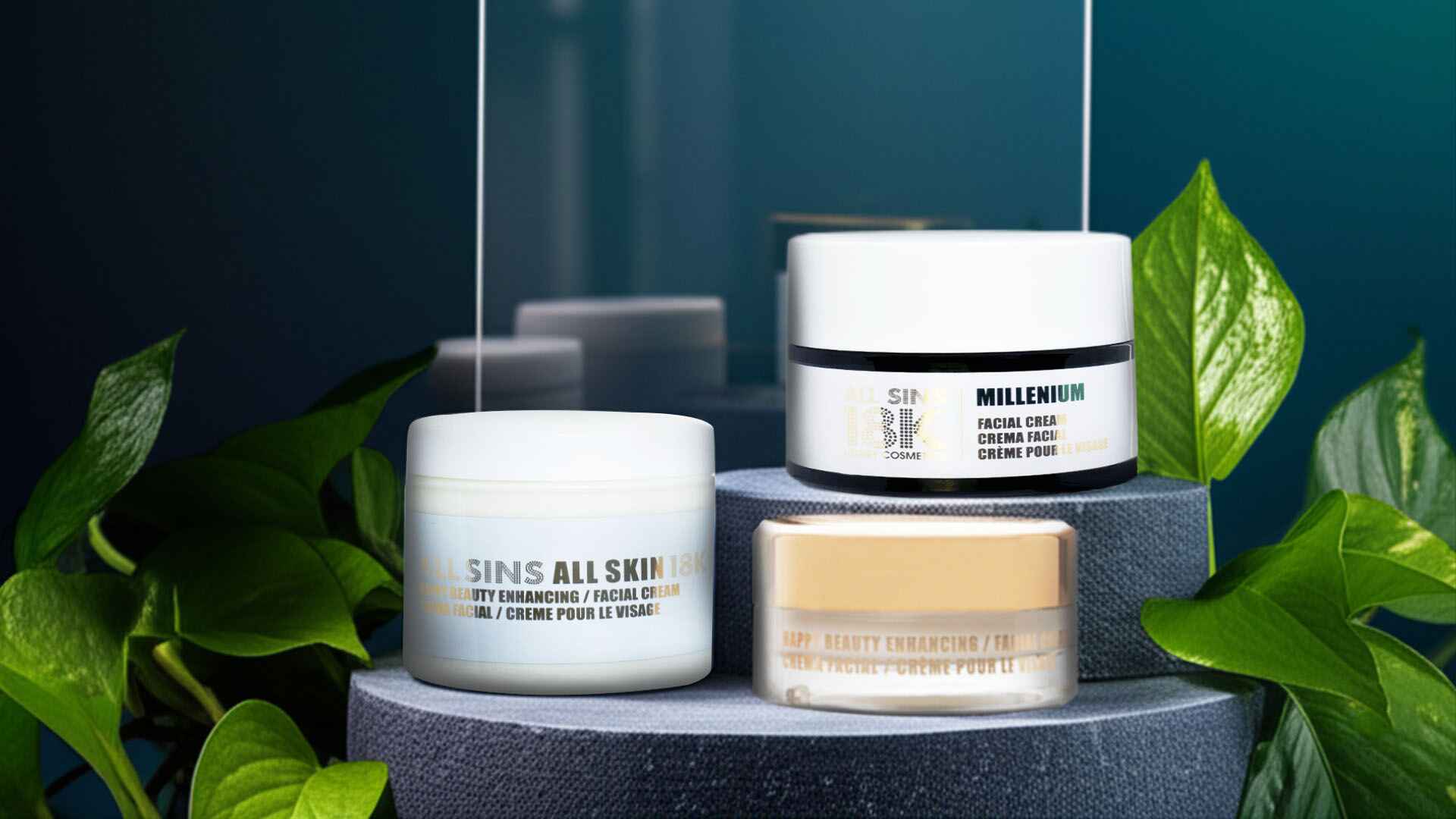
Facial Cream: Simple Guide to Glowing, Healthy Skin in the UAE

Taking care of your skin doesn’t need to be complicated. A good facial cream can make a big difference in how your skin looks and feels—especially in the hot and dry weather of the UAE. Whether you’re in Abu Dhabi, Dubai, Sharjah, Ajman, Ras Al Khaimah, Fujairah, or Umm Al Quwain, your skin deserves care that works.

In this simple guide, we’ll explain what facial cream is, how it helps, the different types available, and how to choose the right one for your skin. We’ll also answer some common questions so you can shop smart and feel confident about your skincare.

What Is a Facial Cream?

A facial cream is a skin product made to hydrate, protect, and treat the skin on your face. It’s usually smoother and richer than a body lotion, and it targets your skin’s unique needs—like dryness, oiliness, wrinkles, or dullness.

Many facial creams are also packed with useful ingredients like Vitamin C, retinol, or SPF for extra protection and care.

Why Use a Facial Cream?

Using a facial cream every day is one of the easiest ways to take care of your skin. Here’s what it can do:

  • Hydrates your skin, keeping it soft and smooth
  • Locks in moisture, especially important in dry or air-conditioned places
  • Protects your skin from sun, dust, and pollution
  • Improves texture, making skin look fresh and clear
  • Fights signs of aging like wrinkles or fine lines
  • Soothes sensitive skin, reducing redness and dryness

How Does Facial Cream Work?

Facial creams work by forming a light layer on your skin to trap in moisture and nutrients. When applied after cleansing, it helps your skin stay balanced and protects it from drying out.

Some creams have emollients, which soften skin, and humectants, which pull in moisture. Ingredients like retinol, Vitamin C, and SPF also add extra care by boosting glow, reducing wrinkles, or shielding from sun damage.

What Is Facial Cream?

A facial cream is a smooth product that you apply to your face to help keep your skin soft, moisturized, and healthy. It adds hydration, protects from dryness, and helps with problems like dullness, fine lines, or sensitivity.

There are many types of face creams, including:

  • Moisturizing cream
  • Face cream for dry skin
  • Face cream for women
  • Face cream for men
  • Emollient cream
  • Anti-wrinkle cream
  • Facial moisturizer
  • Hydration cream
  • Anti-aging cream
  • Vitamin C cream
  • Retinol cream
  • Eye cream
  • Under-eye cream
  • Skin brightening cream
  • Cream for oily skin
  • Day cream
  • Night cream
  • Face cream with SPF
  • Sensitive skin cream

Each type helps in different ways, so it’s important to choose one based on your skin needs.

Choosing the Right Facial Cream in the UAE

Here’s how to choose the right cream based on your skin type and where you live:

  • For dry skin: Go for a hydration cream, emollient cream, or a rich facial moisturizer. These help restore softness and prevent flaking, especially in air-conditioned places or desert heat.
  • For oily skin: Pick a lightweight cream or a cream for oily skin that won’t clog pores.
  • For aging skin: Use anti-aging cream, retinol cream, or anti-wrinkle cream to reduce lines and improve skin tone.
  • For sensitive skin: Try a gentle cleanser and a sensitive skin cream. These are mild and won’t irritate.
  • For daily use: Choose a day cream with SPF to protect from sun and pollution.
  • For nighttime repair: A night cream helps your skin recover while you sleep.
  • For dull or uneven skin: A skin brightening cream or vitamin C cream can help improve glow and even tone.

No matter where you are—in Dubai’s fast-paced city, Fujairah’s coast, or the calm of Umm Al Quwain—your skin can benefit from a good cream.

Where to Buy Good Facial Creams?

If you’re looking for high-quality facial care products, check out Ajak Medical. They offer a trusted range of skincare products suitable for different skin types, including options for both men and women.

Whether you need a moisturizing cream, a face cream for dry skin, or something targeted like a retinol cream or under-eye cream, you’ll find effective, reliable options.

How to Use Facial Cream (Step by Step)

  1. Cleanse your face with a gentle face wash or cleanser
  2. Pat your face dry with a towel—don’t rub
  3. If using facial serum, apply it first and let it absorb
  4. Take a small amount of cream on your fingertips
  5. Apply gently in upward strokes on your face and neck
  6. Use a different cream for under-eyes if needed
  7. Use day cream in the morning and night cream before bed

FAQs About Facial Creams

1. Can I use the same cream for day and night?

You can, but day creams usually have SPF and are lighter, while night creams are richer and help repair skin overnight.

They’re often used the same way, but facial moisturizers are usually lighter and focus on hydration. Face creams may include extra ingredients like anti-aging or brightening agents.

Yes, though some face creams for women and face creams for men are made with specific textures or scents in mind.

Twice daily—once in the morning and once at night is a good routine for most skin types.

Yes, just choose a cream for oily skin that is lightweight and non-greasy.

Retinol cream helps with fine lines and wrinkles. Vitamin C cream boosts brightness and helps with dark spots.

Yes, applying cream after cleansing helps lock in moisture and nutrients.

No matter your skin type or where you live in the UAE, a good facial cream is a simple and powerful way to care for your skin. With so many options—from hydration cream to anti-wrinkle cream, and eye cream to SPF day cream—there’s something for everyone.

Explore high-quality skincare at ajakmedical.com and start giving your skin the love it deserves.

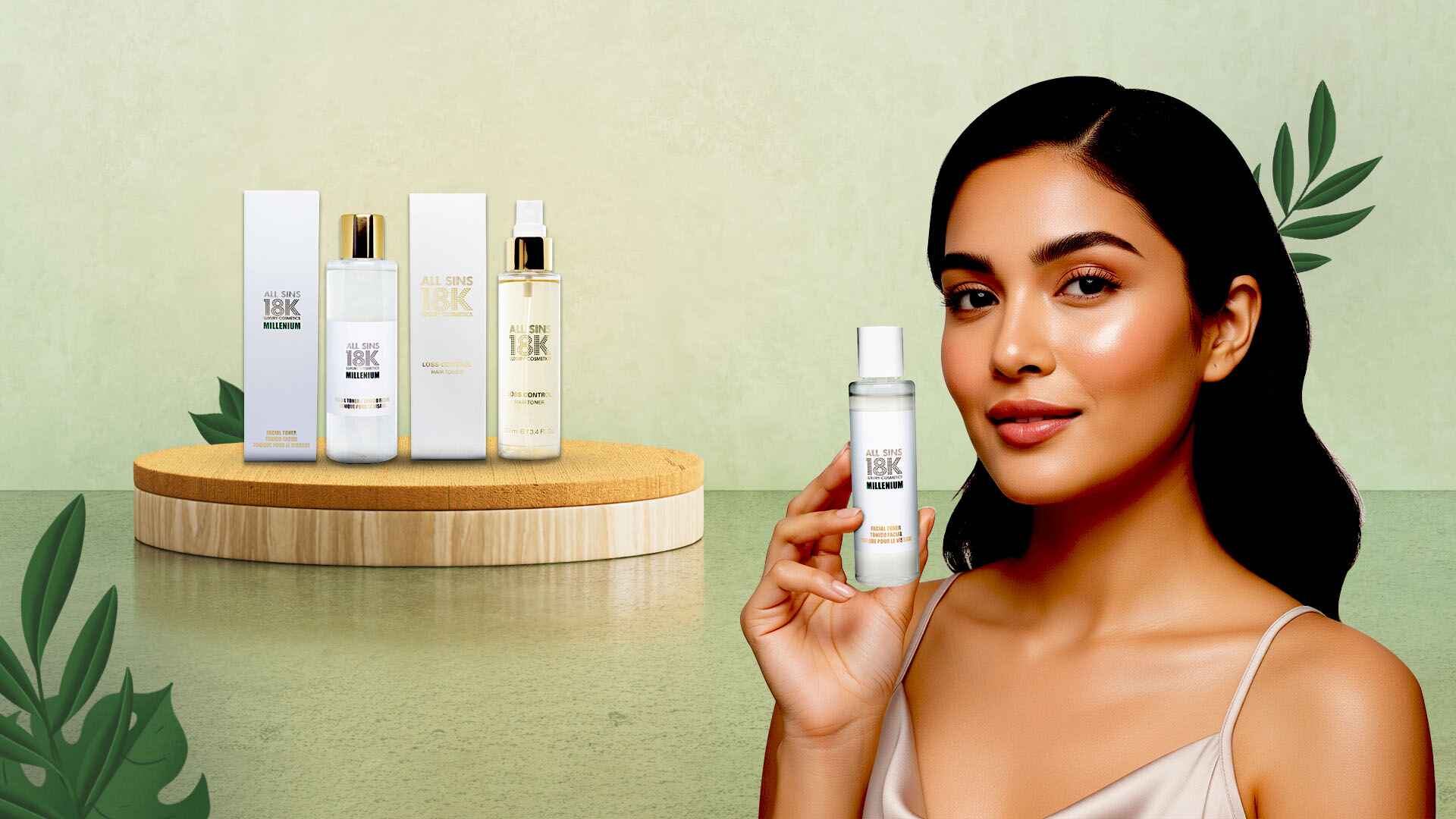
Toner for Your Skin: What It Is, How It Helps, and Why You Should Use It

Taking care of your skin doesn’t need to be complicated. If you already wash your face and apply a serum or cream, you’re doing well. But there’s one more simple step that can make your skin even better—Toner.

In this blog, you’ll learn what toner is, why it matters, how to use it, and which type is best for your skin—especially if you live in any of the UAE’s 7 emirates: Dubai, Abu Dhabi, Sharjah, Ajman, Fujairah, Ras Al Khaimah, and Umm Al Quwain.

What Is Toner?

Toner is a water-like liquid that you apply to your face after cleansing and before using serum or moisturizer. It helps:

  • Remove leftover dirt, makeup, and oil
  • Refresh your skin
  • Balance your skin after washing
  • Prepare your skin for the next skincare steps

It’s like a quick reset for your skin, keeping it smooth, clean, and ready for the day.

Why Toner Matters in the UAE

The UAE has strong sun, heat, dust, and dry indoor air. Whether you’re in busy Dubai or quiet Fujairah, your skin faces challenges. Toner helps in many ways:

  • In dry cities like Abu Dhabi and Sharjah, it hydrates and softens dry skin
  • In humid weather, it controls oil and helps prevent pimples
  • In dusty areas like Dubai and Ajman, it clears dirt from your pores
  • In air-conditioned rooms, toner refreshes tired, dull skin


Wherever you live, toner gives your skin the quick boost it needs.

Types of Toners and What They Do

Different skin types need different toners. Here’s a helpful table:

Toner Type

What It Does

Best For

Hydrating Toner

Adds water and moisture

Dry or sensitive skin

Brightening Toner

Makes skin look fresh and glowing

Dull or uneven skin tone

Acne Toner

Controls oil and fights breakouts

Oily or acne-prone skin

Soothing Toner

Calms redness and irritation

Sensitive or red skin

Anti-Aging Toner

Reduces fine lines and tightens skin

Mature or aging skin

Balancing Toner

Controls shine and balances oil

Combination or oily skin

Exfoliating Toner

Removes dead skin cells and smooths skin

Rough or textured skin

You can find these toner types at Ajak Medical—perfect for your skin’s unique needs.

Benefits of Using Toner Every Day

Here’s why adding toner to your daily routine is a smart choice:

1. Cleans Up Extra Dirt

Even after washing your face, small bits of makeup or dust can stay. Toner gently removes them.

2. Minimizes Pores

Toner helps tighten and shrink the look of large pores.

3. Gives a Fresh Feel

Toner cools and refreshes your skin, especially after being out in the sun or wind.

4. Balances Skin’s pH

Washing can change your skin’s natural pH. Toner brings it back to normal, keeping your skin healthy.

5. Prepares Skin for Serums or Creams

Toner helps your skin soak in serums and moisturizers better.

How to Use Toner: Simple Steps

Using toner is easy. Just follow this routine:

  • Wash your face with a gentle cleanser
  • Pour toner onto a cotton pad or your hands
  • Gently apply it to your face (don’t rub hard)
  • Let it dry on your skin
  • Apply your serum or moisturizer

You can use toner once or twice a day—morning and night.

Which Toner is Best for You? (Based on Your Location in the UAE)

Here’s a small guide to choosing a toner depending on where you live:

  • Dubai & Abu Dhabi – Use hydrating or pollution-protection toner
  • Sharjah & Ajman – Use oil-control or acne toner
  • Fujairah & Ras Al Khaimah – Try exfoliating or brightening toner
  • Umm Al Quwain – Go for soothing or anti-aging toner

Your skin faces different problems based on your city. A good toner helps fix them.

Can You Use Toner with Other Skincare Products?

Yes! Toner is part of a complete skincare routine. The best order is:

  • Cleanser – Wash your face
  • Toner – Refresh and prepare your skin
  • Serum – Target issues like dullness, aging, or acne
  • Moisturizer – Lock in moisture
  • Sunscreen (Morning only) – Protect from UV rays

Toner makes the rest of your products work better—especially if you’re using Vitamin C, Niacinamide, or Retinol serums.

Why You Should Try Toner Today

Toner is a simple, quick, and powerful step that many people skip—but it can change the way your skin looks and feels.

No matter your skin type or where you live in the UAE, using the right toner helps you:

  • Stay clean and fresh
  • Keep pores small
  • Get more from your serum or cream
  • Keep your skin balanced and happy

Whether you’re living in Dubai or anywhere across the UAE—be it Abu Dhabi, Sharjah, Ajman, Fujairah, Ras Al Khaimah, or Umm Al Quwain—skincare matters in this region. A basic routine with the right products, like a gentle Toner, goes a long way in protecting and refreshing your skin

Explore the right toner for your skin at Ajak Medical. Whether you need something to hydrate, brighten, calm, or clear—there’s a toner that’s perfect for you.

Serums in the UAE: Types, Benefits & Proper Use for Healthier Skin – A Complete Guide by Ajak Medical

Serums are a key part of modern skincare routines, especially for those living in the UAE, where the climate is hot, dry, and often sunny. Whether you’re in Dubai, Abu Dhabi, Sharjah, Ajman, Fujairah, Ras Al Khaimah, or Umm Al Quwain, a good face serum can help protect your skin and improve its overall health and glow.

This guide covers:

  • What serums are
  • Different types of face serums
  • Their benefits
  • How to use them correctly
  • Why they matter in the UAE’s climate

What Is a Face Serum?

A face serum is a lightweight skincare product packed with active ingredients. Unlike creams or lotions, serums are designed to go deeper into the skin and deliver faster, more focused results.

They help target specific skin issues like dryness, fine lines, dullness, dark spots, or acne.

Why Serums Matter in the UAE

The UAE’s climate brings several skincare challenges:

  • Strong sunlight can cause pigmentation and premature aging
  • Air conditioning often leads to skin dryness
  • Humidity and dust may cause clogged pores or acne

Serums offer a smart way to deal with these issues, delivering hydration, vitamins, and skin-protecting ingredients directly to where your skin needs them most.

Common Types of Face Serums

Here’s a simple table that compares different face serums, what they do, and when to use them:

Serum Type

Main Benefits

When to Use

Vitamin C Serum

Brightens skin, reduces dark spots, protects from sun damage

Morning

Hyaluronic Acid Serum

Deep hydration, reduces dryness, plumps the skin

Morning and Night

Retinol Serum

Fights aging, clears acne, smooths wrinkles

Night only

Niacinamide Serum

Shrinks pores, reduces oiliness, smooths texture

Morning and Night

Anti-Aging Serum

Firms skin, boosts elasticity, reduces wrinkles

Night

Hydrating Serum

Locks in moisture, soothes dry skin

Morning and Night

Brightening Serum

Evens out skin tone, improves glow

Morning

Acne Serum

Treats breakouts, calms inflammation, clears pores

Morning and Night

These serums are especially effective when used with high-quality skincare products available at Ajak Medical.Click edit button to change this text. Lorem ipsum dolor sit amet, consectetur adipiscing elit. Ut elit tellus, luctus nec ullamcorper mattis, pulvinar dapibus leo.

How to Use a Serum: Step-by-Step Guide

  1. Clean your face – Use a gentle cleanser to remove dirt, oil, or makeup.
  2. Pat dry – Gently dry your skin with a soft towel.
  3. Apply toner (optional) – Helps prep your skin for better absorption.
  4. Apply serum – Use 2–3 drops and gently pat it onto your face and neck.
  5. Let it absorb – Wait for 30–60 seconds before applying anything else.
  6. Use moisturizer – Seals in the serum and keeps your skin hydrated.
  7. Apply sunscreen (in the morning) – Especially if you’re using Vitamin C or Retinol.


Which Serum Should You Choose?

Here’s a quick way to pick the right one based on your skin needs:

  • Dry or flaky skin? Try a Hydrating Serum or Hyaluronic Acid Serum
  • Dark spots or dull tone? Use a Vitamin C Serum or Brightening Serum
  • Fine lines or aging signs? Choose a Retinol Serum or Anti-Aging Serum
  • Oily skin or visible pores? Go with Niacinamide Serum
  • Breakouts or acne? Pick an Acne Serum

At Ajak Medical, you can find a range of clinically approved and dermatologically tested serums to match your exact needs.

Perfect for All 7 Emirates

Whether you live in:

  • Dubai – where the sun and pollution affect skin daily
  • Abu Dhabi – with its dry climate and air conditioning
  • Sharjah, Ajman, or Fujairah – facing coastal humidity
  • Ras Al Khaimah or Umm Al Quwain – with more natural elements and dust


A reliable serum can help keep your skin balanced, fresh, and protected.

Trusted Products at Ajak Medical

Ajak Medical offers a curated selection of:

  • Face serums for all skin types and concerns
  • Safe and tested skincare formulas
  • Solutions approved for UAE’s climate

We make sure you get access to effective, easy-to-use skincare essentials—all in one place.

If you want healthier, glowing, and problem-free skin in the UAE, adding a serum to your routine is a great step. It’s simple, takes just a minute, and can make a visible difference in how your skin looks and feels.

Ready to start your skincare upgrade?
Explore the right face serum for your skin at AjakMedical.com and enjoy confident skin, every day.

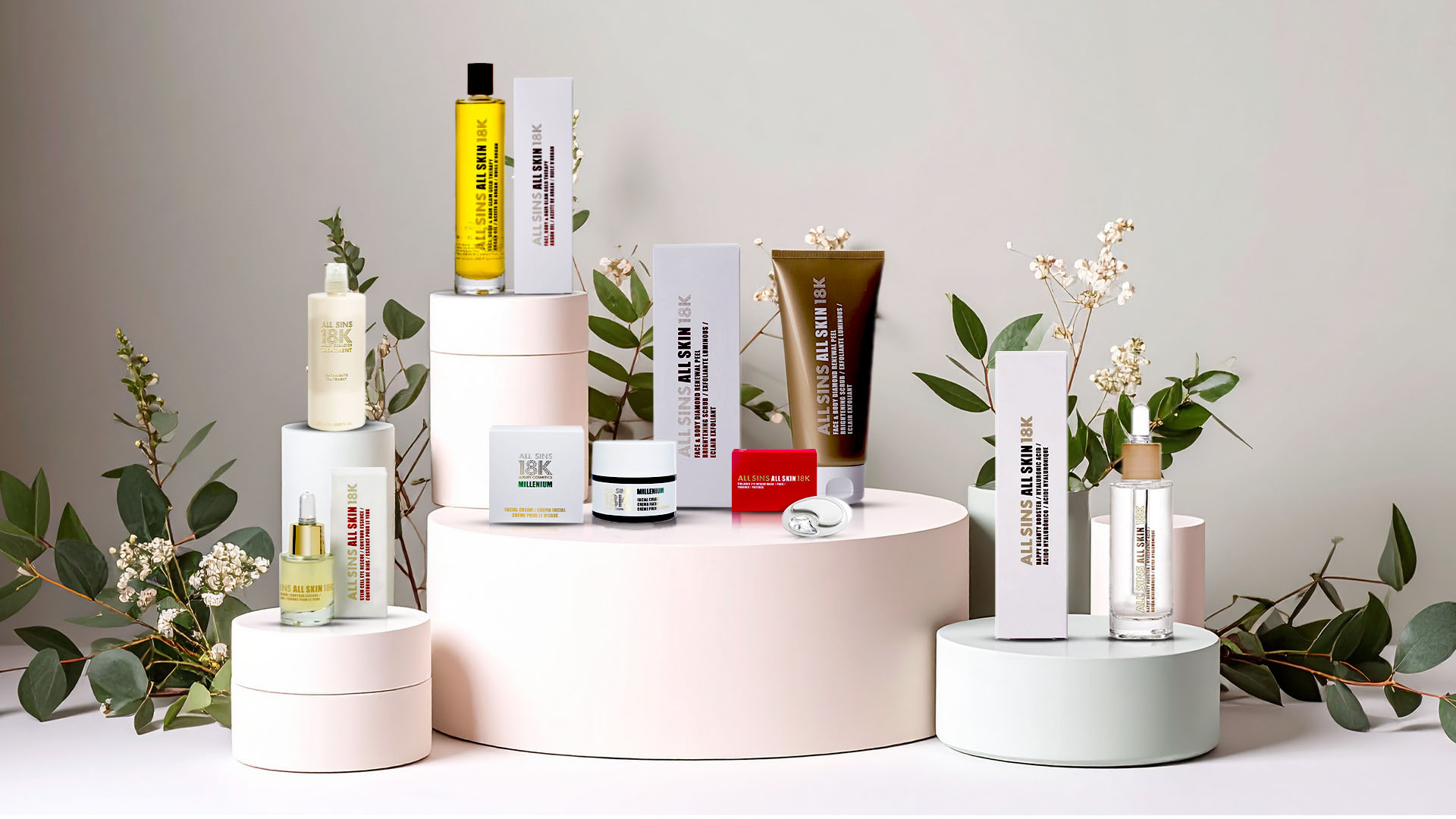
Cosmetics and Skincare in the UAE: Simple, Daily Essentials for Every Climate

Skincare isn’t just about beauty—it’s about keeping your skin healthy, especially in the dry, sunny climate of the UAE. Whether you’re in Dubai, Sharjah, Abu Dhabi, or Ras Al Khaimah, the right skincare routine makes a big difference.

This guide breaks down the everyday skincare products people across the UAE actually use, and how to choose what works for your skin. All products mentioned here are available on ajakmedical.com.

Why Skincare Matters in the UAE and GCC

In the UAE and neighboring countries, skin is exposed to:

  • Strong sunlight almost all year
  • Dry indoor air from air conditioning
  • Dust and pollution


These factors make cleansing, hydration, and sun protection part of your daily routine, not just a once-in-a-while habit.

Daily Skincare Products and Their Benefits

Here’s a simple table to help you understand each product’s use:

Product

What It Does

Who Should Use It

Cleansing Gel

Removes oil, dust, sweat, and makeup

Everyone across the UAE

Face Cleanser

Gentle wash for daily use

People with sensitive skin

Toner

Restores skin balance after washing

Oily or acne-prone skin

Serum

Targets dryness, dark spots, or dullness

Those looking to improve skin texture

Moisturizer

Keeps skin soft and hydrated

All skin types in dry regions

Sunscreen (Face)

Protects skin from sunburn and damage

Essential in the UAE climate

Eye Cream

Reduces dark circles and puffiness

Office workers, travelers

Anti-Aging Cream

Smooths fine lines and firms skin

People in urban areas like Dubai

Natural Skincare

Uses plant-based or mild ingredients

Great for sensitive skin

Facial Oil

Adds extra moisture and glow

Best for dry skin in harsh climates

Face Mask / Sheet Mask

Refreshes and hydrates skin

Use weekly in all regions

Exfoliator

Removes dead skin and clears pores

Once a week for smoother skin

Hydrating Lotion

Softens body skin after shower

Daily use in dry areas like Abu Dhabi

Lip Balm

Prevents cracked lips

Common in desert and cold areas

Hand Cream

Protects hands from dryness

Useful in cold offices or kitchens

Body Lotion

Maintains skin smoothness and elasticity

Everyday use after bath

Organic Skincare

No harsh chemicals or artificial scents

Safe for teens and allergy-prone users

Sensitive Skin Routine

Mild, fragrance-free products for gentle care

Ideal in Sharjah, Ajman, and Fujairah

Skincare Routines Across UAE Cities

  • Dubai – People often use serums, anti-aging creams, and sheet masks due to city pollution and office lifestyles.
  • Abu Dhabi – Residents prefer hydrating lotions, moisturizers, and lip balms to beat indoor dryness.
  • Sharjah and Ajman – Many use natural skincare and gentle cleansers, focusing on basic routines that work.
  • Fujairah and Ras Al Khaimah – These coastal regions see higher use of exfoliators, facial oils, and body lotion.

Simple Daily Skincare Routine (UAE Friendly)

Morning:

  1. Wash your face with cleansing gel or face cleanser
  2. Apply toner and serum
  3. Use moisturizer
  4. Finish with sunscreen for face

Evening:

  1. Clean skin with gentle cleanser
  2. Apply eye cream and anti-aging cream if needed
  3. Use facial oil or hydrating lotion

Weekly Routine:

  • Exfoliate once
  • Use a face mask or sheet mask

Keep hand cream and lip balm close at all times

Where to Find Trusted Skincare Products

If you’re looking for quality skincare in the UAE, ajakmedical.com offers:

  • Moisturizers, Serums, Sunscreens
  • Face Masks, Cleansers, and Toners
  • Natural and Organic Options
  • Products for Sensitive and Dry Skin

Everything is available online, made for the UAE climate, and backed by reliable brands.

Visit ajakmedical.com to shop or explore skincare categories suited for your needs.

Whether you’re living in Dubai or anywhere across the UAE—be it Abu Dhabi, Sharjah, Ajman, Fujairah, Ras Al Khaimah, or Umm Al Quwain—skincare matters in this region. A basic routine with the right products goes a long way in protecting and refreshing your skin.

Start with just a cleanser, moisturizer, and sunscreen, then build from there. You don’t need a long routine—just the right one.

Explore UAE-approved skincare now at ajakmedical.com.

When to See a Doctor vs. When to Visit the Pharmacy

Introduction

Feeling unwell but unsure if you need to see a doctor—or if a quick trip to the pharmacy will do? You’re not alone. Many common health issues can be managed with over-the-counter (OTC) medication and pharmacist advice. But there are times when a doctor’s expertise is essential.
Knowing the difference can save you time, money, and ensure you get the right care when you need it most.


Visit the Pharmacy If You Have:

Pharmacists are trained healthcare professionals who can recommend treatment for many everyday conditions. You can safely start with your pharmacy if you experience:


Mild Cold or Cough

  • Runny nose, mild sore throat, mild cough

  • No high fever or breathing difficulty
    What helps: Cough syrup, decongestants, lozenges, steam inhalation


Headache or Body Aches

  • Tension headaches or post-workout soreness
    What helps: Paracetamol, ibuprofen, topical pain relief gels


Seasonal Allergies

  • Sneezing, itchy eyes, mild rash
    What helps: Antihistamines like cetirizine or loratadine


Minor Digestive Issues

  • Acidity, gas, mild diarrhea or constipation
    What helps: Antacids, probiotics, laxatives, oral rehydration salts


Skin Problems

  • Mild rashes, insect bites, minor burns
    What helps: Antiseptic creams, antihistamines, hydrocortisone creams


Vitamins or Supplements Guidance

  • Immunity boosters, iron tablets, calcium, etc.
    What helps: Pharmacists can recommend safe brands and dosages


See a Doctor If You Have:

Some symptoms require a full medical evaluation and possibly tests or prescriptions. Visit a doctor if you experience:


High or Prolonged Fever

  • Fever lasting more than 3 days

  • Accompanied by chills, body pain, or fatigue


Shortness of Breath or Chest Pain

  • Could indicate serious infections, asthma, or heart problems

  • Never ignore breathing issues


Persistent Vomiting or Diarrhea

  • Risk of dehydration

  • May need tests or prescription medication


Infections (Ear, Eye, Urinary Tract, etc.)

  • Usually need antibiotics or specific treatment

  • OTC options won’t fully treat bacterial infections


Unusual or Worsening Symptoms

  • Pain that doesn’t go away

  • New rashes, lumps, or swelling

  • Sudden vision changes or dizziness


Chronic Conditions or Medication Side Effects

  • Diabetes, hypertension, thyroid disorders

  • Any complications or irregularities with prescribed meds


Pharmacist Tip:

Your local pharmacist can help you decide if you need to escalate care. They often advise whether you can self-treat or need a doctor’s appointment.


Conclusion

Think of your pharmacy as the first line of care for mild illnesses and general health support. But for more serious, persistent, or unclear symptoms, it’s best to see a doctor for a full evaluation.
When in doubt, start with your pharmacist—they’re trained to point you in the right direction.

Immunity Boosters That Actually Work: What to Buy from Your Pharmacy

Immunity Boosters That Actually Work: What to Buy from Your Pharmacy

Introduction

In today’s world, maintaining a strong immune system is more important than ever. While a healthy lifestyle—balanced diet, sleep, and exercise—is the foundation of good immunity, certain pharmacy products can give your body extra support, especially during cold and flu season.
But not all “immunity boosters” are backed by science. In this article, we’ll focus on vitamins, supplements, and products that actually work—and that you can find at most medical stores.


1. Vitamin C: The Classic Immunity Booster

How it helps:
Vitamin C supports the production of white blood cells, which fight infections. It also acts as a powerful antioxidant.

What to buy:

  • Vitamin C chewable tablets or effervescent tablets

  • Natural forms like Amla (Indian gooseberry) supplements

Tip: Take daily during flu season. It’s water-soluble, so your body doesn’t store excess—take it regularly for best results.


2. Vitamin D: The “Sunshine Vitamin” Your Immune System Needs

How it helps:
Vitamin D helps regulate immune responses and reduces inflammation. Many people, especially those who stay indoors often, are deficient without knowing it.

What to buy:

  • Vitamin D3 tablets or softgel capsules

  • Combo supplements with Vitamin K2 for better absorption

Tip: Get your Vitamin D levels checked if you’re unsure. Low levels are common and easily fixed with supplements.


3. Zinc: Your Body’s Natural Infection Fighter

How it helps:
Zinc is essential for immune cell function and wound healing. It can reduce the duration of colds if taken early.

What to buy:

  • Zinc tablets or lozenges

  • Combination immunity tablets (Zinc + Vitamin C)

Tip: Avoid taking zinc on an empty stomach—it may cause nausea.


4. Probiotics: Boost Your Gut, Boost Your Immunity

How it helps:
Since 70% of your immune system is in your gut, a healthy digestive system means stronger immunity. Probiotics support good gut bacteria.

What to buy:

  • Probiotic capsules with Lactobacillus or Bifidobacterium strains

  • Fermented drinks or sachets with live cultures

Tip: Ideal after taking antibiotics or during digestive upsets.


5. Herbal Immunity Supplements (With Proven Benefits)

How they help:
Some herbs have antiviral, antibacterial, or adaptogenic (stress-fighting) properties that support the immune system.

What to buy:

  • Giloy (Tinospora cordifolia) – traditional Ayurvedic immunity booster

  • Ashwagandha – helps manage stress and supports overall immunity

  • Elderberry Syrup – known to reduce cold and flu symptoms

  • Turmeric (Curcumin) – anti-inflammatory and antioxidant

Tip: Look for standardized extracts to ensure you get consistent quality and dosage.


Bonus: Ready-Made Immunity Kits & Combo Packs

Many pharmacies now sell immunity combo packs that include a mix of Vitamin C, D, Zinc, and herbal ingredients in a daily kit. These are convenient if you’re looking for an all-in-one solution.


When to Talk to a Pharmacist or Doctor

  • If you’re pregnant, breastfeeding, or on regular medication

  • If you’re unsure about combining supplements

  • If you have ongoing health issues like diabetes, heart disease, or autoimmune conditions


Conclusion

Immunity starts with a healthy lifestyle, but pharmacy-grade supplements can give your body the extra edge it needs—especially in stressful or high-risk seasons.
Stick to proven ingredients, buy from trusted brands, and always read labels before starting any new supplement. When in doubt, ask your pharmacist—they’re here to help.

How to Read a Prescription: What Your Doctor’s Notes Really Mean

Introduction

Ever stared at a prescription slip and wondered if it was written in a secret code? You’re not alone. Doctors use specific abbreviations and medical terms to write prescriptions quickly—but they can be confusing if you’re not familiar with them.
Understanding your prescription helps you take your medication correctly and safely. In this post, we’ll break down what those scribbles really mean.


1. The Basic Parts of a Prescription

A typical prescription includes:

  • Patient Information: Your name, age, and sometimes weight.

  • Date: When the prescription was written.

  • Drug Name: The name of the medication (brand or generic).

  • Dosage: How much of the drug you should take.

  • Route: How the drug should be taken (oral, topical, etc.).

  • Frequency: How often you should take it.

  • Duration: How long you should take it.

  • Doctor’s Signature and Stamp: To verify authenticity.


2. Common Prescription Abbreviations (and What They Mean)

Doctors often use Latin abbreviations. Here are a few you might see:

Abbreviation Meaning English Translation
OD Once Daily Take once a day
BD Bis in Die Take twice a day
TDS / TD Ter Die Sumendum Take three times a day
QID Quarter in Die Take four times a day
HS Hora Somni Take at bedtime
SOS Si Opus Sit Take when needed
PO Per Os By mouth
Top Topical Apply on skin

3. Understanding Dosage Instructions

Let’s break down an example:

Rx: Tab Paracetamol 500mg PO TDS x 5 days

  • Tab: Tablet

  • Paracetamol 500mg: The drug and dose

  • PO: Take by mouth

  • TDS: Three times a day

  • x 5 days: For five days

So this means: Take one 500mg tablet of Paracetamol by mouth, three times a day, for five days.


4. Special Symbols or Notes to Watch For

  • ⚠️ Caution labels: Your pharmacist may add labels like “May cause drowsiness” or “Avoid alcohol.” Always read these carefully.

  • Timing notes: Some prescriptions will say “before food” or “after meals.” Follow these for best results.

  • Refill info: Some prescriptions will note how many refills you’re allowed—important if you’re on long-term medication.


5. When to Ask Questions

If anything on your prescription is unclear or seems wrong, don’t hesitate to ask your doctor or pharmacist. Examples:

  • If the handwriting is hard to read

  • If you’re unsure about the dosage

  • If you’re taking other medications and want to check for interactions


Conclusion

Prescriptions may look confusing, but once you understand the basic terms and abbreviations, they become much easier to follow. Clear understanding leads to safer medication use and better health outcomes.
Always keep your prescription in a safe place, follow instructions carefully, and when in doubt—ask a professional.

Add to cart
welcome 10 post

Enjoy 10% OFF on your first purchase as a thank you for visiting ❤️