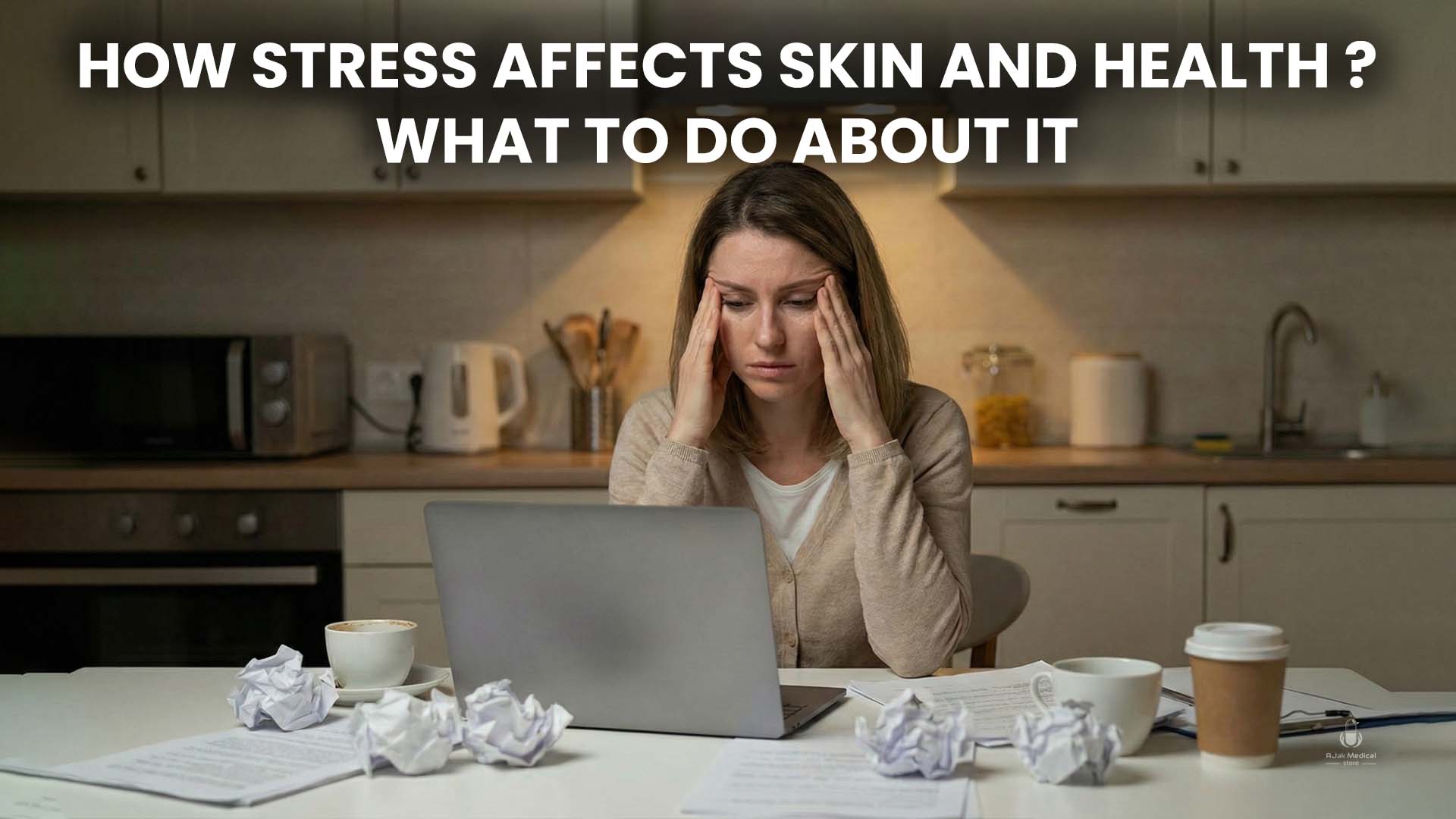
Stress is something everyone experiences, whether it’s from work, studies, relationships, or daily life challenges. While stress affects your mood and energy, it can also show up on your skin. Pimples, dryness, redness, dullness, and even early wrinkles can be linked to chronic stress.
The good news is that understanding how stress affects your skin and taking proactive steps can make a big difference. Along with healthy lifestyle choices, Ajak skincare products can provide hydration, protection, and soothing benefits for stressed skin, helping you maintain a healthy and radiant look.
The Link Between Stress and Skin
Stress affects your skin through a complex interaction of hormones, the immune system, and inflammation. When you feel stressed, your body produces a hormone called cortisol, often called the “stress hormone.” Elevated cortisol levels trigger several changes in the skin:
- Increased oil production – Higher cortisol makes your sebaceous glands produce more oil. This can clog pores and lead to breakouts.
- Inflammation – Stress activates inflammatory responses in the skin, which can worsen conditions like eczema, psoriasis, and rosacea.
- Slower skin healing – Stress weakens your immune system, making it harder for cuts, acne marks, or rashes to heal.
- Collagen breakdown – Cortisol also reduces collagen and elastin, which are essential for firm and youthful skin.
Stress doesn’t just affect your face. It can also lead to dryness or sensitivity across the entire body and affect scalp health, causing hair thinning or shedding.
Common Skin Problems Caused by Stress
Stress can show up in the skin in different ways. Some of the most common stress-related skin problems include:
1. Acne and Breakouts
Stress triggers oil overproduction, which leads to clogged pores and pimples. Adult acne can be especially frustrating because it often appears suddenly, even in people who had clear skin before.
2. Redness and Flare-Ups
Conditions like eczema, psoriasis, and rosacea can flare up when your body is under stress. Redness, itchiness, and irritation are common signs that stress is affecting your skin’s health.
3. Dull and Dry Skin
When you’re stressed, blood flow to the skin decreases. This reduces oxygen and nutrient delivery, leaving the skin looking dull and tired. Stress can also disrupt your skin’s natural barrier, causing dryness.
4. Early Aging
Stress increases the breakdown of collagen and elastin, which leads to fine lines, wrinkles, and sagging over time. Chronic stress can make your skin age faster than normal.
5. Sensitivity
Stress can make skin more sensitive to environmental triggers like pollution, heat, or harsh products. This can result in rashes, irritation, or worsening of existing conditions.
How to Reduce Stress for Better Skin
Managing stress isn’t only about feeling better mentally—it’s essential for healthy, glowing skin. Here are some simple ways to lower stress and support your skin:
1. Prioritize Sleep
Getting enough quality sleep is one of the best ways to combat stress. During sleep, your skin repairs itself and produces collagen. Aim for 7–9 hours every night.
Tip: Keep your bedroom dark, quiet, and cool to promote deeper sleep. Avoid screens an hour before bed to help your skin rejuvenate naturally.
2. Exercise Regularly
Exercise reduces cortisol levels and improves circulation. Better blood flow delivers nutrients and oxygen to your skin, making it healthier and more radiant.
Tip: Even light exercises like walking, stretching, or yoga can help your skin look and feel better over time.
3. Practice Mindfulness
Techniques like meditation, deep breathing, and journaling can lower stress hormones. Mindfulness not only benefits your mental health but also improves your skin’s appearance.
Tip: Take 10–15 minutes each day to practice deep breathing or guided meditation. Your skin will thank you.
4. Eat a Skin-Friendly Diet
What you eat has a direct impact on your skin. Stress can increase cravings for sugar and processed foods, but these can worsen breakouts and inflammation.
- Eat more: Fruits, vegetables, nuts, seeds, and omega-3-rich foods like salmon.
- Limit: Sugary snacks, fried foods, and excessive caffeine.
These foods help fight inflammation, support collagen production, and keep your skin hydrated.
5. Hydrate Properly
Stress can dehydrate your skin, so drinking enough water is essential. Hydration keeps your skin plump and improves elasticity.
Tip: Drink at least 8 glasses of water per day, and include herbal teas or infused water for added benefits.
Skincare Tips for Stressed Skin
Even with a healthy lifestyle, stressed skin may need extra care. Using gentle, effective products can make a big difference. Ajak skincare offers premium products designed to hydrate, soothe, and protect stressed or sensitive skin. Here’s a simple routine:
1. Gentle Cleansing
Use a mild, non-stripping cleanser to remove dirt, oil, and impurities without irritating the skin. Avoid harsh soaps that can worsen dryness or sensitivity.
2. Hydration and Moisturization
Choose moisturizers and serums rich in hyaluronic acid, ceramides, and natural extracts. These ingredients strengthen the skin barrier, lock in moisture, and calm irritation.
Tip: Apply moisturizer twice a day—morning and night—for best results.
3. Sun Protection
Stress makes skin more sensitive to environmental damage, including UV rays. Daily sunscreen helps protect against premature aging and keeps the skin healthy.
4. Targeted Treatments
For redness, inflammation, or breakouts, use calming serums, anti-inflammatory creams, or soothing masks. Ajak has products specifically formulated for stressed or sensitive skin to reduce irritation and restore balance.
5. Consistency Matters
A simple, consistent routine is better than using too many products. Stick to gentle cleansing, moisturizing, sun protection, and occasional targeted treatments.
Lifestyle Changes to Support Skin Health
Taking care of your skin also means supporting your body overall. Here are additional ways to reduce stress and support skin health:
- Limit caffeine and alcohol – These can dehydrate your skin and increase stress.
- Protect against pollution – Wash your face after exposure and use products with antioxidants.
- Stay organized – Planning your day reduces mental stress and improves overall well-being.
- Spend time outdoors – Sunlight (in moderation) and fresh air help reduce stress and support vitamin D production.
- Social connections – Talking to friends or family can help you manage stress, which positively affects your skin.
Home Remedies to Calm Stressed Skin
Along with Ajak skincare products, simple home remedies can soothe stressed skin:
- Aloe Vera Gel – Reduces redness and inflammation.
- Green Tea Compress – Contains antioxidants to calm irritation.
- Honey Mask – Natural antibacterial and moisturizing properties.
- Oatmeal Baths or Masks – Gentle on irritated, dry skin.
- Cold Compress – Reduces puffiness and soothes redness.
These remedies are safe, natural, and perfect for stressed or sensitive skin.
FAQs
Can stress really cause acne?
Yes. High stress increases oil production and inflammation, which can trigger pimples and breakouts.
How quickly will my skin improve after stress reduction?
Visible improvement usually appears in 4–6 weeks with consistent lifestyle changes and proper skincare.
Are Ajak products suitable for sensitive skin?
Absolutely. Ajak’s products are gentle, hydrating, and formulated to calm redness and irritation caused by stress.
Can meditation improve skin health?
Yes. Meditation reduces stress hormones, lowers inflammation, and supports better skin healing.
Should I see a dermatologist for stress-related skin issues?
If breakouts, redness, or irritation continue despite proper care, consulting a dermatologist is recommended.
Stress affects the skin in many visible ways, from breakouts and redness to dryness and early aging. The best approach is a combination of stress management, healthy lifestyle habits, and proper skincare. By eating well, sleeping enough, exercising, practicing mindfulness, and using gentle products like Ajak skincare, you can keep your skin calm, hydrated, and glowing even during stressful times.