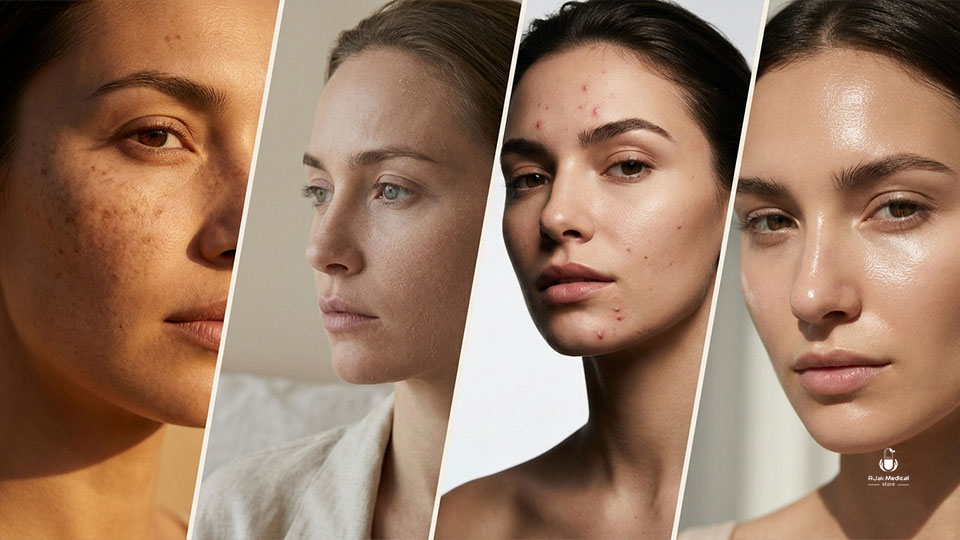
Free Shipping for all Order of AED 99 Enjoy a 10% discount on your first order! Coupon code : welcome10

What Are the Benefits of Shea Butter for Skin and Hair?

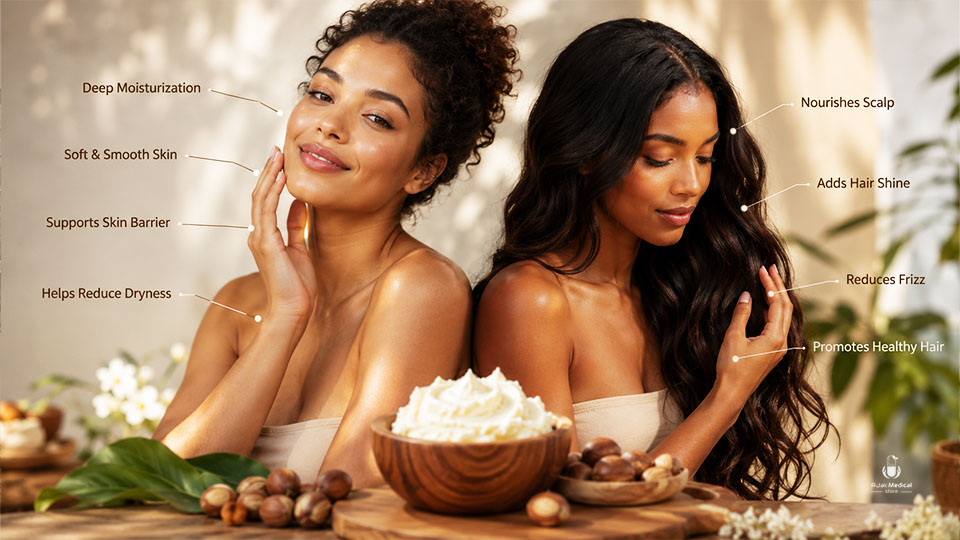
Shea butter is a natural plant-based fat widely used in skincare and haircare products across the world. It is extracted from the nuts of the African shea tree (Vitellaria paradoxa) and is known for its deep moisturizing, soothing, and protective properties.

Because of its rich nutritional profile and skin-compatible structure, shea butter is commonly found in facial creams, body lotions, hair conditioners, lip balms, and healing ointments.

What Is Shea Butter?

Shea butter is a natural fat extracted from shea nuts through a traditional or mechanical process. It is solid at room temperature but melts quickly when applied to skin due to body heat.

Key Nutrients in Shea Butter

Shea butter contains essential compounds that support skin and hair health:

  • Fatty acids (oleic, stearic, linoleic acids) – hydration and barrier support
  • Vitamin A – supports skin renewal
  • Vitamin E – antioxidant protection
  • Natural plant compounds – help reduce inflammation

These nutrients make shea butter both a moisturizer and skin-repairing ingredient.

How Shea Butter Works on Skin

Shea butter works in two important ways:

1. Moisture Locking Effect

It forms a protective layer on the skin that prevents moisture loss and keeps the skin hydrated for longer.

2. Skin Barrier Support

It helps strengthen the skin’s natural barrier, protecting it from pollution, dryness, and environmental damage.

Benefits of Shea Butter for Skin

1. Deep Hydration for Dry Skin

Shea butter is highly effective in treating dry and rough skin. It penetrates deep into the skin and provides long-lasting moisture without making it overly greasy.

It is especially useful for:

  • Dry hands and feet
  • Flaky skin
  • Seasonal dryness

2. Improves Skin Softness and Texture

Regular use of shea butter helps make the skin softer and smoother by restoring natural lipids in the skin barrier.

3. Soothes Irritation and Redness

Due to its anti-inflammatory properties, shea butter helps calm irritated skin and reduce redness caused by dryness or environmental stress.

4. Supports Anti-Aging Care

Shea butter contains antioxidants like Vitamin E that help protect skin cells from damage caused by free radicals.

It may help reduce:

  • Fine lines
  • Early wrinkles
  • Dull skin appearance

5. Helps with Stretch Marks and Scars

Shea butter supports skin elasticity and repair. While it does not remove scars completely, it can improve skin texture and appearance over time.

6. Protects Skin from Environmental Damage

It creates a light protective layer that helps shield the skin from:

  • Pollution
  • Dust
  • Harsh weather conditions

7. Suitable for Sensitive Skin

Shea butter is gentle and often well-tolerated by sensitive skin types due to its natural and soothing composition.

Benefits of Shea Butter for Hair

1. Deep Conditioning for Dry Hair

Shea butter nourishes dry and damaged hair by penetrating the hair shaft and restoring moisture.

It is especially useful for:

  • Curly hair
  • Frizzy hair
  • Chemically treated hair

2. Reduces Frizz and Adds Smoothness

It helps smooth hair cuticles, reducing frizz and making hair easier to manage and style.

3. Strengthens Hair Strands

The fatty acids in shea butter help improve hair elasticity, reducing breakage and split ends.

4. Supports Scalp Health

Shea butter moisturizes the scalp and helps reduce:

  • Dryness
  • Flakiness
  • Itching

A healthy scalp supports stronger hair over time.

5. Adds Natural Shine

It enhances natural shine without making hair feel heavy when used in small amounts.

6. Protects Hair from Damage

Shea butter helps protect hair from heat styling tools, UV exposure, and environmental stress.

How to Use Shea Butter in Daily Routine

For Skin

  • Apply after bathing on slightly damp skin
  • Use as a night moisturizer for deep hydration
  • Apply on dry areas like elbows, knees, and heels
  • Use a small amount as lip care

For Hair

  • Use as a pre-wash hair mask
  • Apply a small amount to hair ends for moisture
  • Massage into scalp for dryness relief
  • Mix with oils for better nourishment

Shea Butter for Different Skin Types

  • Dry skin: Highly beneficial for deep hydration
  • Sensitive skin: Gentle and soothing
  • Oily skin: Use in small amounts
  • Combination skin: Apply only on dry areas
  • Acne-prone skin: Use carefully and moderately

Shea Butter in Modern Skincare Products

Shea butter is widely used in cosmetic and dermatology products such as:

  • Moisturizing creams
  • Body lotions
  • Hair conditioners
  • Lip balms
  • Healing creams
  • Baby skincare products

Its stability and compatibility with other ingredients make it a valuable base ingredient in skincare formulation.

FAQs

1. Is shea butter good for daily use?

Yes, it is safe for daily use on both skin and hair when applied in appropriate amounts.

Yes, especially for dry and normal skin types. Oily skin users should use it lightly.

Shea butter is generally non-comedogenic, but usage should be moderate depending on skin type.

It does not directly promote hair growth but helps reduce breakage and maintain healthy hair.

Shea butter is a powerful natural ingredient that provides deep hydration, skin barrier protection, and nourishment for both skin and hair. Its rich composition of vitamins, fatty acids, and antioxidants makes it suitable for daily skincare and haircare routines.

With regular use, it helps improve skin softness, supports scalp health, and enhances overall skin and hair appearance naturally.

For advanced skincare support, Ajak Medical offers premium wellness solutions designed for daily beauty and care needs.

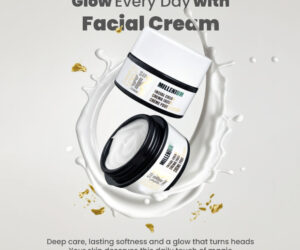
Ajak Medical provides a Shea Butter–based Facial Cream formulated to deeply moisturize the skin, improve softness, and support a healthy, natural glow as part of a daily skincare routine.

Common Symptoms of Low Energy and Nutrient Deficiency

Low energy is one of the most common health concerns today. Many people feel tired, weak, or unmotivated even after getting enough sleep. While lifestyle and stress play a role, a major hidden reason is often nutrient deficiency.

Your body depends on essential vitamins, minerals, and nutrients to produce energy, support brain function, and maintain overall wellness. When these nutrients are lacking, your body starts showing clear warning signs that should not be ignored.

Understanding Low Energy and Nutrient Deficiency

Low energy is a condition where the body feels physically and mentally drained, making daily activities harder than usual. Nutrient deficiency occurs when the body does not receive or absorb enough essential nutrients, such as:

  • Iron
  • Vitamin B12
  • Vitamin D
  • Magnesium
  • Zinc
  • Protein
  • Folate

These nutrients are responsible for oxygen transport, energy production, muscle function, and brain health. A deficiency can slowly reduce overall performance and immunity.

Major Symptoms of Low Energy and Nutrient Deficiency

Recognizing the early signs can  help prevent long-term health issues.

Persistent Fatigue

Constant tiredness, even after adequate rest, is one of the earliest and most common signs of nutrient imbalance.

Low Physical Strength

Difficulty performing daily physical tasks may indicate a lack of iron, magnesium, or protein.

Mental Fatigue and Brain Fog

Poor focus, forgetfulness, and reduced mental clarity are often linked to low vitamin B12 and iron levels.

Pale Skin and Dark Circles

A lack of iron and poor oxygen circulation can cause dull skin, dark circles, and an unhealthy appearance.

Hair Loss and Weak Nails

Deficiency in biotin, zinc, and protein can lead to hair thinning and brittle nails.

Frequent Headaches

Dehydration, magnesium deficiency, and poor blood flow are common triggers for recurring headaches.

Mood Changes and Irritability

Nutritional imbalance can affect brain chemicals, leading to stress, anxiety, and mood swings.

Shortness of Breath

Even mild physical activity causing breathlessness may indicate low iron levels or reduced red blood cell production.

Slow Healing of Wounds

Vitamin C and zinc deficiency can slow down the body’s natural healing process.

Poor Sleep Quality

Low magnesium and vitamin D levels can disturb sleep cycles and reduce sleep quality.

Nutrients and Their Deficiency Symptoms

Key Nutrients and Their Roles

Nutrient

Key Role

Deficiency Signs

Iron

Oxygen transport

Fatigue, dizziness, pale skin

Vitamin B12

Nerve & brain function

Weakness, memory issues

Vitamin D

Bone & immunity support

Low energy, bone pain

Magnesium

Muscle & nerve function

Cramps, stress, poor sleep

Zinc

Immunity & healing

Hair fall, slow recovery

Protein

Muscle repair

Weakness, low stamina

Main Causes of Nutrient Deficiency

Poor Dietary Habits

Excess processed food and low intake of fresh fruits and vegetables reduce nutrient supply.

Stress and Busy Lifestyle

Chronic stress affects digestion and reduces nutrient absorption.

Lack of Sun Exposure

Vitamin D deficiency is common in people with limited sunlight exposure.

Digestive Problems

Gut health issues can prevent proper absorption of nutrients.

Medical Conditions

Some health conditions may reduce the body’s ability to absorb vitamins and minerals.

How to Improve Energy Levels Naturally

Eat a Nutrient-Rich Diet

Include leafy greens, fruits, whole grains, lean proteins, nuts, and seeds.

Stay Hydrated

Water supports metabolism, digestion, and energy production.

Exercise Regularly

Light physical activity improves blood circulation and reduces fatigue.

Maintain Good Sleep Hygiene

Sleep at least 7–8 hours daily to allow body recovery.

Manage Stress Levels

Practicing relaxation techniques like meditation and breathing exercises helps restore energy balance.

Role of Supplements in Daily Nutrition

Even with a healthy diet, some people may still lack essential nutrients due to modern lifestyle challenges.

Quality supplements can help support:

  • Energy production
  • Immune health
  • Mental focus
  • Hair, skin, and nail health

However, supplements should support—not replace—a balanced diet.

When to Take Action

You should consider checking your nutrient levels if you experience:

  • Long-term fatigue lasting more than 2 weeks
  • Frequent dizziness or weakness
  • Noticeable hair loss
  • Poor concentration
  • Repeated illness or low immunity

Early detection helps improve recovery and prevents complications.

Simple Lifestyle Tips for Better Energy

  • Start your day with a balanced breakfast
  • Reduce sugar and junk food intake
  • Take short breaks during work hours
  • Get daily sunlight exposure
  • Include protein and iron-rich foods in meals

Small daily habits can significantly improve energy levels over time.

Frequently Asked Questions (FAQs)

What causes low energy in the body?

Low energy is mainly caused by poor nutrition, lack of sleep, stress, and vitamin or mineral deficiencies.

Yes, deficiencies in iron, vitamin B12, and vitamin D are strongly linked to chronic fatigue.

A blood test is the most accurate way to identify specific nutrient deficiencies.

Yes, in many cases a balanced diet can improve energy levels, but some conditions may require supplements.

With proper nutrition and lifestyle changes, noticeable improvements can occur within a few weeks.

Low energy is not just a normal part of daily life—it is often a signal from your body that something essential is missing. Nutrient deficiencies can slowly affect your physical strength, mental clarity, and overall well-being.

By improving your diet, lifestyle, and nutritional intake, you can restore natural energy levels and support long-term health.

Ajak Medical provides a wide range of health and wellness supplements that help support daily nutrition, energy, and overall well-being for a healthy lifestyle.

What Are the Benefits of Argan Oil and How Does It Work?

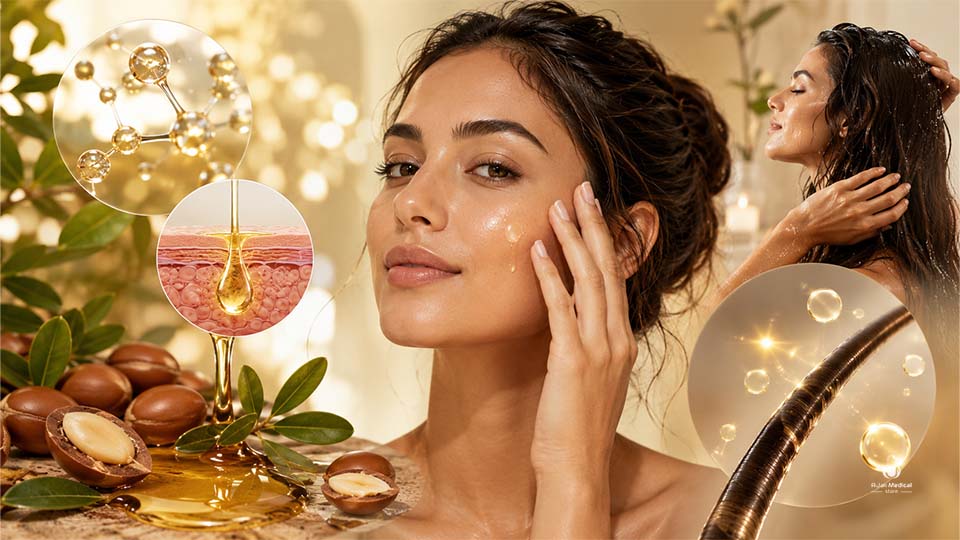
Argan oil has become one of the most trusted ingredients in skincare and haircare around the world. Often called “liquid gold,” this natural oil is known for its nourishing, moisturizing, and protective properties. From dry skin and damaged hair to scalp care and anti-aging support, argan oil is widely used in modern beauty routines because of its versatility and nutrient-rich composition.

What Is Argan Oil?

Argan oil is a plant oil extracted from the kernels of the argan tree, which is native to Morocco. Because of its origin, it is commonly known as argan oil.

For centuries, communities have used argan oil for:

  • Skin nourishment
  • Hair conditioning
  • Scalp care
  • Nail care
  • Traditional wellness routines

Today, argan oil is widely included in:

  • Face serums
  • Hair oils
  • Moisturizers
  • Hair masks
  • Anti-aging products
  • Body oils

The popularity of argan oil comes from its high concentration of nutrients that support healthy-looking skin and hair.

Nutrients Found in Argan Oil

Argan oil contains several beneficial compounds, including:

Vitamin E

Vitamin E is known for helping support skin hydration and protecting the skin from dryness caused by environmental stress.

Essential Fatty Acids

Fatty acids help strengthen the skin barrier and lock in moisture.

Antioxidants

Antioxidants help protect skin and hair from external damage caused by pollution, sun exposure, and environmental stressors.

Polyphenols

These natural compounds support overall skin and scalp health.

This nutrient combination is one reason argan oil is considered a highly effective natural beauty oil.

How Argan Oil Works

Argan oil works by deeply nourishing and moisturizing the skin and hair while helping create a protective barrier that reduces moisture loss.

How It Works on Skin

When applied to the skin, argan oil:

  • Helps improve hydration
  • Softens rough texture
  • Supports smoother-looking skin
  • Helps reduce dryness

Its lightweight texture allows it to absorb relatively quickly without leaving a heavy or greasy feel.

How It Works on Hair

When used on hair, argan oil:

  • Coats the hair strands with moisture
  • Helps reduce frizz
  • Improves softness and shine
  • Supports smoother hair texture

Because of these properties, argan oil is commonly used in hair repair oil treatments and anti-frizz products.

Benefits of Argan Oil for Skin

1. Helps Hydrate Dry Skin

One of the biggest benefits of argan oil is its ability to moisturize dry skin.

Argan oil helps:

  • Restore moisture
  • Improve skin softness
  • Reduce flaky texture
  • Support smoother-looking skin

People often use argan oil for dry skin during colder seasons or in dry indoor environments.

2. Supports Glowing Skin

Argan oil for glowing skin is popular because hydrated skin naturally appears healthier and brighter.

Regular use may help improve:

  • Dull-looking skin
  • Uneven texture
  • Roughness caused by dryness

Many skincare routines include argan oil as a finishing step to help maintain a healthy glow.

3. May Help Improve Skin Elasticity

Because argan oil contains antioxidants and essential fatty acids, it is commonly used in anti-aging skincare routines.

Hydrated skin often appears:

  • Smoother
  • Softer
  • More refreshed

This is why argan oil is frequently included in anti-aging oil products and facial serums.

4. Gentle for Daily Use

Argan oil is generally lightweight compared to heavier oils, making it suitable for regular skincare use.

Many people use it:

  • As an overnight face oil
  • Mixed with moisturizer
  • Under makeup for added hydration

Benefits of Argan Oil for Hair

1. Helps Reduce Frizz

Argan oil for hair is especially popular for frizz control.

It helps smooth the hair cuticle, making hair appear:

  • Shinier
  • Softer
  • More manageable

This is one reason argan oil is often found in smoothing serums and leave-in conditioners.

2. Supports Hair Hydration

Dry hair can become brittle, rough, and difficult to manage.

Argan oil helps add moisture to hair strands, which may improve:

  • Hair softness
  • Flexibility
  • Overall appearance

It is especially beneficial for:

  • Curly hair
  • Colored hair
  • Heat-damaged hair
  • Chemically treated hair

3. Helps Protect Hair from Damage

Hair is regularly exposed to:

  • Heat styling tools
  • Pollution
  • Sun exposure
  • Hair coloring chemicals

Argan oil helps coat the hair strands and may reduce dryness and roughness caused by external damage.

This is why it is often referred to as a hair repair oil.

4. Supports Healthier-Looking Hair

Many people use argan oil for hair growth support routines because healthier hair conditions can help reduce breakage.

While argan oil is not a direct hair growth treatment, it may support:

  • Better scalp hydration
  • Reduced hair dryness
  • Improved hair manageability

Less breakage can help hair appear fuller over time.

Benefits of Argan Oil for Scalp and Nails

Scalp Care Benefits

A dry scalp may lead to discomfort and flakes.

Argan oil can help:

  • Moisturize the scalp
  • Improve scalp comfort
  • Support healthier-feeling hair roots

Massage a few drops gently into the scalp before washing your hair.

Nail and Cuticle Care

Argan oil can also be used on nails and cuticles.

It may help:

  • Soften dry cuticles
  • Improve nail appearance
  • Reduce roughness around nails

This makes argan oil useful as part of a complete beauty care routine.

Why Argan Oil Is Popular in Modern Beauty Routines

Natural oils have become increasingly popular because people are looking for:

  • Simpler skincare routines
  • Multi-purpose beauty products
  • Naturally nourishing ingredients

Argan oil is valued because it can be used for:

  • Skin hydration
  • Hair care
  • Scalp care
  • Nail care

Instead of using multiple products, many people choose argan oil as an all-in-one natural beauty oil.

Argan Oil vs Coconut Oil

Both oils are widely used in beauty care, but they work differently.

Feature

Argan Oil

Coconut Oil

Texture

Lightweight

Heavy

Absorption

Fast absorbing

Slower absorbing

Best Use

Daily skincare & haircare

Deep conditioning

Finish

Non-greasy

Rich texture

Suitable for Face

Often yes

May feel heavy for some skin types

Argan oil is often preferred for facial use because of its lightweight feel.

Best Ways to Add Argan Oil to Your Routine

For Skin

  • Apply 2–3 drops after cleansing
  • Mix with moisturizer
  • Use on dry areas like elbows and hands

For Hair

  • Apply to damp hair ends
  • Use before styling
  • Smooth onto dry hair to reduce frizz

For Scalp

  • Massage gently before shampooing
  • Leave for 20–30 minutes

For Nails

  • Apply to nails and cuticles before bedtime

Using small amounts regularly often works better than using too much product at once.

Who Can Use Argan Oil?

Argan oil is commonly used by people with:

  • Dry skin
  • Combination skin
  • Frizzy hair
  • Damaged hair
  • Curly hair
  • Mature skin

Because it is lightweight, even some oily skin types may tolerate argan oil well.

However, everyone’s skin reacts differently, so a patch test is always recommended.

Possible Side Effects and Precautions

Argan oil is generally considered safe for cosmetic use, but a few precautions are important.

Tips to Follow

  • Patch test before first use
  • Avoid overusing on oily hair
  • Choose high-quality products
  • Stop use if irritation occurs

People with nut-related sensitivities should consult a healthcare professional if unsure.

Expert Insight: Why Argan Oil Continues to Stay Popular

The beauty industry constantly introduces new ingredients, but argan oil remains one of the most trusted natural oils because it combines:

  • Hydration
  • Lightweight texture
  • Multi-purpose use
  • Nutrient-rich care

Its versatility makes it suitable for both simple and advanced skincare routines.

Today, many premium beauty brands continue using argan oil in:

  • Hair masks
  • Face oils
  • Moisturizers
  • Hair serums
  • Anti-aging products

Frequently Asked Questions (FAQs)

Is argan oil good for oily skin?

Yes. Argan oil is lightweight and absorbs quickly, which may make it suitable for some oily skin types.

Argan oil supports healthier-looking hair by helping reduce dryness and breakage, which may improve the appearance of fuller hair over time.

Argan oil can be used daily or several times a week depending on your skincare and haircare needs.

Yes. Many people use argan oil daily as part of their facial skincare routine.

Yes. Argan oil helps smooth hair strands and reduce frizz while adding shine.

Argan oil is generally gentle, but patch testing is recommended before regular use.

The benefits of argan oil make it one of the most versatile and trusted ingredients in modern skincare and haircare. From hydration and scalp nourishment to smoother hair and softer skin, argan oil provides natural support for multiple beauty needs.

Its lightweight texture, rich nutrient profile, and multi-purpose use make it suitable for daily routines focused on healthier-looking skin and hair.

Whether you are looking for argan oil for skin, argan oil for hair, anti-aging support, or natural hydration, this beauty oil continues to be a reliable option for people around the world.

Explore Argan Oil Products with Ajak Medical

Ajak Medical offers a wide range of skincare, haircare, wellness, and beauty products in the UAE, including products enriched with Argan Oil.

From nourishing haircare products to hydrating skincare essentials, Ajak Medical provides quality beauty and wellness solutions designed for everyday care.

Explore more through Ajak Medical and discover products that support healthier-looking skin and hair naturally.

How Sunlight Affects Your Skin in the UAE: Benefits, Risks, and Protection Tips

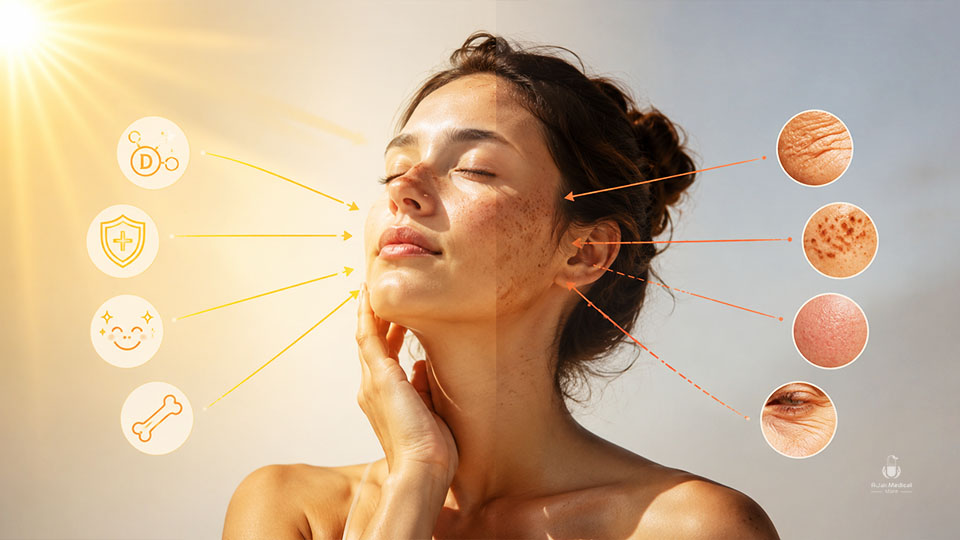
Sunlight is a natural part of everyday life. Whether you are walking outdoors, driving, exercising, or relaxing at the beach, your skin is exposed to sunlight daily. While sunlight can provide certain health benefits, too much exposure can also damage the skin over time.

Many people focus on skincare products but forget that daily sun exposure plays a major role in skin health. Understanding how sunlight affects your skin can help you make better skincare choices and protect your skin from unnecessary damage.

Why Sunlight Matters for Skin Health

Your skin is constantly exposed to environmental factors, and sunlight is one of the biggest influences on skin condition and appearance.

Daily sun exposure can affect:

  • Skin hydration
  • Skin texture
  • Pigmentation
  • Elasticity
  • Aging signs
  • Overall skin health

While moderate sunlight exposure may support overall wellness, excessive UV exposure can lead to long-term skin concerns if proper protection is not used.

Understanding Sunlight and UV Rays

Sunlight contains ultraviolet (UV) radiation, which directly affects the skin. The two main types of UV rays that impact skin health are UVA and UVB rays.

UVA Rays

UVA rays penetrate deep into the skin and are commonly linked to premature skin aging.

These rays may contribute to:

  • Wrinkles
  • Fine lines
  • Uneven skin tone
  • Loss of firmness
  • Skin aging signs

UVA rays are present throughout the day and can pass through windows and clouds.

UVB Rays

UVB rays mainly affect the outer layer of the skin and are the primary cause of sunburn.

UVB exposure may lead to:

  • Redness
  • Burning
  • Peeling
  • Skin irritation
  • Tanning

Both UVA and UVB rays can damage skin cells over time without proper skin protection.

Benefits of Sunlight for Skin and Wellness

Although too much sun exposure can be harmful, controlled and moderate sunlight exposure may provide certain benefits.

Supports Vitamin D Production

Sunlight helps the body naturally produce vitamin D, which plays an important role in overall wellness and bone health.

Helps Improve Mood

Natural sunlight may help support mood and energy levels. Many people feel more active and refreshed after spending time outdoors.

Supports Healthy Sleep Cycles

Daily exposure to natural light may help regulate the body’s sleep cycle and support better sleeping patterns.

May Support Certain Skin Conditions

In some cases, controlled sunlight exposure may help support certain skin conditions. However, excessive exposure can worsen skin sensitivity, so balance is important.

Risks of Too Much Sun Exposure

Excessive sunlight exposure can affect the skin in several ways.

Sunburn

Too much UV exposure can damage the skin and cause sunburn.

Common signs include:

  • Redness
  • Burning sensation
  • Pain
  • Peeling skin
  • Sensitivity

Premature Aging

Long-term sun exposure may speed up visible aging signs, including:

  • Wrinkles
  • Fine lines
  • Sagging skin
  • Rough skin texture

Dark Spots and Pigmentation

UV rays can increase melanin production, which may lead to:

  • Sun spots
  • Hyperpigmentation
  • Uneven skin tone

Dry and Dehydrated Skin

Excessive sunlight can weaken the skin barrier and reduce moisture levels, causing:

  • Dryness
  • Tight skin
  • Flaking
  • Dull-looking skin

Increased Risk of Skin Damage

Repeated and unprotected UV exposure can increase long-term skin health risks, including serious skin damage.

Signs Your Skin Is Getting Too Much Sun

Your skin often shows early signs when it is overexposed to sunlight.

Watch for symptoms such as:

  • Redness
  • Peeling
  • Burning sensation
  • Dryness
  • Sensitivity
  • Uneven skin tone
  • Irritated skin

If these symptoms happen regularly, your skin may need better sun protection.

Daily Skincare Routine for Sun Protection

A simple daily skincare routine can help support healthier skin.

Morning Routine

  • Use a gentle cleanser
  • Apply moisturizer
  • Wear sunscreen daily

Night Routine

  • Cleanse the skin properly
  • Use hydrating skincare products
  • Apply moisturizer to support skin recovery

Common Myths About Sunlight and Skin

Myth: You Only Need Sunscreen on Sunny Days

Fact: UV rays can still affect the skin on cloudy days.

Myth: Tanned Skin Means Healthy Skin

Fact: Tanning is a sign of UV exposure and skin stress.

Myth: Darker Skin Does Not Need Sunscreen

Fact: All skin types benefit from sun protection.

When to See a Dermatologist

You should consider professional skincare advice if you notice:

  • Severe sunburn
  • Persistent pigmentation
  • Changing moles
  • Skin irritation that does not improve
  • Unusual skin changes

FAQs

Is sunlight good or bad for skin?

Moderate sunlight exposure may offer benefits, but excessive exposure can damage the skin.

Short periods of daily sunlight exposure are generally enough for many people.

Sunscreen helps reduce UV exposure and may help minimize tanning.

SPF 30 or higher is commonly recommended for daily use.

Yes, repeated UV exposure may contribute to wrinkles and fine lines.

Yes, UV rays can pass through clouds.

Morning sunlight is generally milder compared to midday sunlight.

Sunlight has both benefits and risks when it comes to skin health. While moderate sunlight exposure may support overall wellness, excessive UV exposure can lead to sun damage, dehydration, pigmentation, and premature aging.

Maintaining a proper skincare routine and using daily sun protection can help support healthier and better-protected skin over time.

At Ajak Medical, we offer trusted skincare and wellness products in the UAE to help support healthy, protected, and refreshed skin as part of your daily skincare routine. Ajak provides a wide range of beauty products designed to support skincare concerns related to dark spots, wrinkles, fine lines, uneven skin tone, and visible aging signs.
Different Skin Types and Their Needs: Oily, Dry, Combination & More

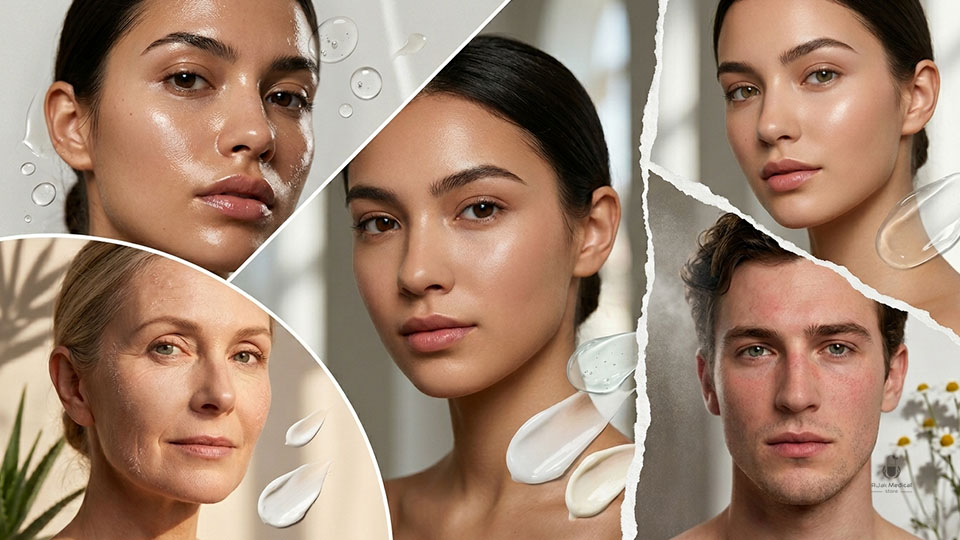
Understanding your skin type is essential for knowing how your skin behaves and what it naturally needs to stay healthy. Skin varies from person to person, and these differences mainly come down to oil production, moisture levels, and sensitivity.

When you recognize your skin type, it becomes easier to understand why certain concerns like acne, dryness, or irritation occur.

What Defines a Skin Type?

Skin type is primarily determined by the balance between oil (sebum) and moisture (water) in the skin. This balance affects texture, appearance, and how the skin responds to environmental conditions.

Several factors influence this balance:

  • Genetics
  • Hormonal changes
  • Climate and weather
  • Age
  • Daily habits and lifestyle

These factors can cause your skin to behave differently over time.

Oily Skin

Oily skin produces excess sebum, which can make the skin appear shiny and more prone to clogged pores.

Key Characteristics:

  • Noticeable shine, especially on the forehead, nose, and chin
  • Enlarged pores
  • Frequent blackheads or acne
  • Heavier skin texture

Skin Needs:

Oily skin requires control and balance. While excess oil can cause issues, natural oil is still important for protecting the skin.

  • Balanced oil production
  • Clear pores
  • Lightweight hydration

Over-cleansing or using harsh products can increase oil production instead of reducing it.

Dry Skin

Dry skin lacks sufficient oil and moisture, which weakens the skin’s protective barrier.

Key Characteristics:

  • Tight or rough feeling
  • Flaky or uneven texture
  • Dull appearance
  • Fine lines more visible

Skin Needs:

Dry skin needs consistent hydration and support to maintain its barrier.

  • Moisture retention
  • Nourishment
  • Protection from moisture loss

Without proper hydration, dryness can lead to discomfort and increased sensitivity.

Combination Skin

Combination skin includes both oily and dry areas, usually with an oily T-zone and drier cheeks.

Key Characteristics:

  • Oily forehead, nose, and chin
  • Normal or dry cheeks
  • Occasional breakouts in oily areas

Skin Needs:

This skin type requires a balanced approach that addresses both oil and dryness.

  • Oil control in certain areas
  • Hydration where needed
  • Overall balance

Combination skin may change depending on the season or environment.

Sensitive Skin

Sensitive skin reacts easily to external factors such as products, weather, or pollution.

Key Characteristics:

  • Redness
  • Irritation or itching
  • Burning sensation
  • Reactions to new products

Skin Needs:

Sensitive skin requires gentle care and stability.

  • Soothing support
  • Minimal exposure to irritants
  • Protection of the skin barrier

Triggers can vary from person to person, making consistency important.

Normal Skin

Normal skin is well-balanced, with stable oil and moisture levels.

Key Characteristics:

  • Smooth texture
  • Even tone
  • Minimal breakouts
  • Comfortable feel

Skin Needs:

Normal skin requires maintenance to preserve its balance.

  • Basic hydration
  • Protection from environmental damage
  • Consistent care

Can Skin Types Change?

Yes, skin type can change over time due to:

  • Weather conditions
  • Hormonal shifts
  • Aging
  • Lifestyle habits

For example, skin may become oilier in humid conditions and drier in colder climates. With age, oil production usually decreases.

Environmental Impact on Skin

External factors can influence how your skin behaves daily:

  • Humidity can increase oiliness
  • Cold weather can cause dryness
  • Pollution can lead to clogged pores
  • Sun exposure can damage the skin barrier

These changes can affect all skin types differently.

Common Misunderstandings

  • Oily skin does not need hydration: All skin types need moisture
  • Dry skin and sensitive skin are the same: They are different conditions
  • Skin type never changes: It can vary over time

Why Skin Type Awareness Matters

Understanding your skin type helps you:

  • Recognize skin concerns early
  • Avoid unsuitable products
  • Maintain better skin balance

Healthy skin depends on how well its natural needs are supported.

FAQs

1. Can I have more than one skin type?

Yes, combination skin includes both oily and dry areas, and sensitivity can occur with any skin type.

Yes, skin often becomes drier as oil production decreases over time.

You can observe how your skin feels and behaves throughout the day, especially after cleansing.

Not always. It can be temporary and triggered by external factors.

This may indicate combination or dehydrated skin.

Different skin types have different characteristics and needs. Understanding these differences helps explain how skin behaves and what it requires to remain balanced and healthy.

At Ajak Medical, we aim to help you better understand your skin and make informed skincare choices.

We provide the best skincare products in UAE for all skin types, helping you maintain healthy and balanced skin.

What Causes Eye Dark Circles and How Can You Treat Them Effectively?

Dark circles under the eyes are a common concern for people of all ages. They can appear due to lifestyle habits, genetics, or skin changes over time. While they are usually not a medical problem, they can affect how fresh and energetic you look.

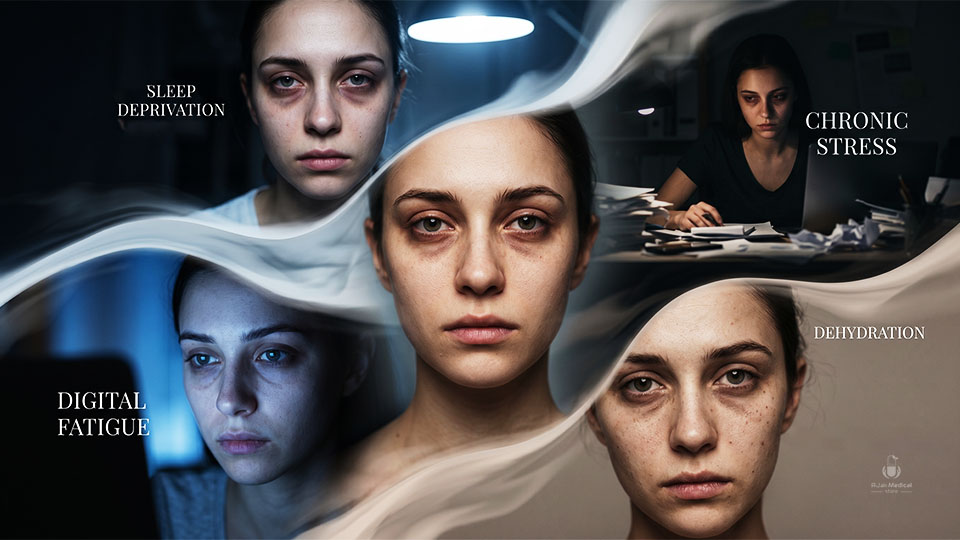
Many people experience dark circles because of lack of sleep, long screen hours, stress, or dehydration. Understanding the real causes of dark circles under eyes helps you choose the right approach to treat them effectively.

What Are Eye Dark Circles?

Dark circles are areas of discoloration under the eyes. They may appear brown, blue, purple, or shadow-like depending on the cause.

The skin under the eyes is very thin and delicate. Because of this, any changes in blood flow, pigmentation, or skin thickness become more visible in this area.

Main Causes of Dark Circles Under Eyes

Dark circles can develop due to multiple factors. Below are the most common causes explained clearly:

Lack of Sleep

Sleep deprivation is one of the leading causes. When you don’t get enough rest, your skin becomes pale, making blood vessels under the eyes more visible.

Genetics (Family History)

Dark circles can be inherited. If they run in your family, you may notice them even with a healthy routine.

Stress and Screen Exposure

Long hours on digital screens can strain the eyes. This increases blood flow around the eyes and can make the under-eye area look darker.

Dehydration

When your body lacks water, the skin loses its natural glow. The under-eye area may look dull and sunken.

Aging and Skin Thinning

As you age, collagen levels decrease. The skin becomes thinner, making veins and shadows more visible under the eyes.

Hyperpigmentation

Excess melanin production can cause dark patches under the eyes. This is often linked to sun exposure.

Allergies and Eye Rubbing

Allergies can cause itching and irritation. Frequent rubbing damages the skin and can lead to increased pigmentation.

Types of Dark Circles

Identifying the type of dark circle is important for choosing the right dark circles treatment.

Pigmented Dark Circles

These appear brown or dark and are caused by excess pigmentation.

Vascular Dark Circles

These appear blue or purple due to visible blood vessels under thin skin.

Hollow or Sunken Eyes

These are caused by loss of fat or volume under the eyes, creating a shadow effect.

How to Treat Dark Circles Effectively

There is no single solution for everyone. The best results come from combining skincare, lifestyle changes, and proper care.

Skincare Solutions

Using targeted ingredients can improve the appearance of dark circles over time.

  • Vitamin C helps brighten the skin and reduce pigmentation
  • Hyaluronic Acid provides hydration and improves skin texture
  • Caffeine reduces puffiness and improves circulation
  • Retinol supports collagen production and thickens the skin

These ingredients are commonly found in eye care products UAE and are effective when used consistently.

Lifestyle Changes

Daily habits play a major role in reducing dark circles.

  • Maintain a regular sleep schedule (7–8 hours)
  • Stay hydrated throughout the day
  • Follow a balanced diet rich in vitamins
  • Limit screen time and take breaks
  • Use sunscreen to prevent pigmentation

These changes support long-term results and help prevent worsening.

Home Remedies

Simple home remedies can provide temporary relief and support your routine:

  • Cold compress to reduce swelling
  • Tea bags to soothe and refresh the eyes
  • Aloe vera to hydrate and calm the skin

While these methods are helpful, they work best when combined with proper skincare.

Product Support for Better Results

For targeted care, using a specialized product can improve results.

STEM CELL EYE RESCUE CONTOUR ESSENCE

This product is designed to support multiple under-eye concerns:

  • Helps reduce dark circles
  • Minimizes puffiness
  • Smooths fine lines
  • Provides hydration

Regular use can improve skin texture and brightness around the eyes.

At Ajak Medical, a wide range of eye care & skin care products UAE is available to support different skin needs with effective formulations.

Why Choose us?

we focus on simple, effective skincare and eye care solutions that actually work.

  • High-quality products you can trust
  • Solutions for dark circles, puffiness, and everyday skin concerns
  • Safe and suitable for daily use
  • Designed to improve skin health and brightness

If you are looking for the best solution for dark circles, choosing reliable products is important for visible results.

FAQs

What causes dark circles the most?

The most common causes are lack of sleep, genetics, dehydration, and screen exposure.

Yes, mild dark circles can improve with proper sleep, hydration, and skincare.

Vitamin C, caffeine, and hyaluronic acid are highly effective.

Results can be seen within 2 to 6 weeks with consistent care.

Not always. Many types can be reduced with the right treatment.

Yes, when used regularly and chosen based on your skin concern.

Yes, proper hydration improves skin appearance and reduces dullness.

Dark circles are a common issue, but they can be managed effectively with the right approach. Understanding the cause is the first step toward choosing the right treatment.

Combining good sleep, healthy habits, and targeted skincare can bring noticeable improvements over time.

Ajak Medical offers trusted skincare solutions designed to support healthier and brighter under-eye skin.

We provide best skincare & eyecare products in UAE that help reduce and remove dark circles effectively.

Consistency is key. With the right care, you can achieve a fresher and more confident look.

Benefits of Hyaluronic Acid for Skin Hydration and Glow

Dry, dull, and dehydrated skin is one of the most common skincare concerns today. Many people struggle with tightness, rough texture, and a lack of natural glow—especially due to weather changes, pollution, and daily stress.

This is where hyaluronic acid for skin hydration becomes a powerful solution. Known as one of the most effective hydrating skincare ingredients, it helps your skin stay soft, smooth, and fresh.

Today, hyaluronic acid is trending in almost every best serum for hydration because it delivers visible results without being heavy or harsh on the skin.

What is Hyaluronic Acid?

Hyaluronic acid is a natural substance found in your skin. Its main role is to retain moisture and keep your skin hydrated.

Think of it like a water reservoir inside your skin. It helps hold water, keeping your skin plump and healthy.

As we age, the natural level of hyaluronic acid in our skin decreases. This leads to dryness, fine lines, and dullness. That’s why using it in your skincare routine is important.

Top Benefits of Hyaluronic Acid for Skin

Understanding the benefits of hyaluronic acid for skin helps you see why it’s a must-have in your routine.

1. Deep Hydration

One of the biggest hyaluronic acid benefits is its ability to hold large amounts of water. It keeps your skin hydrated throughout the day.

2. Improves Skin Texture

Regular use makes your skin smoother and softer. It reduces rough patches and improves overall texture.

3. Reduces Dryness

If your skin feels tight or flaky, hyaluronic acid for skin hydration helps restore moisture balance.

4. Enhances Natural Glow

Hydrated skin reflects light better, giving you a healthy and radiant look. This is why it’s key in a glowing skin routine.

5. Helps Reduce Fine Lines

Well-hydrated skin looks plumper. This helps reduce the appearance of fine lines and early wrinkles.

6. Strengthens Skin Barrier

It supports your skin’s natural barrier, protecting it from damage caused by pollution and environmental stress.

How Hyaluronic Acid Works for Skin Hydration

Hyaluronic acid works like a sponge.

 Imagine placing a dry sponge in water—it absorbs and holds water.
Similarly, hyaluronic acid pulls moisture into your skin and keeps it there.

This is why it is considered one of the most effective hydrating skincare ingredients available today.

Hyaluronic Acid for Glowing Skin

Hydration is directly connected to glow.

When your skin has enough moisture:

  • It looks smoother
  • It feels softer
  • It appears brighter

Using hyaluronic acid for glowing skin helps improve overall skin appearance. Over time, your skin looks healthier, fresher, and naturally radiant.

How to Use Hyaluronic Acid (Step-by-Step)

Morning Routine

  1. Clean your face with a gentle cleanser
  2. Apply hyaluronic acid serum on slightly damp skin
  3. Gently pat it into your skin
  4. Follow with a moisturizer
  5. Apply sunscreen

Night Routine

  1. Cleanse your skin
  2. Apply hyaluronic acid serum
  3. Use a moisturizer to lock in hydration

 Always apply it on slightly damp skin for better results.

Who Should Use Hyaluronic Acid?

One of the best things about hyaluronic acid is that it suits almost everyone.

  • Dry skin: Provides deep hydration
  • Oily skin: Lightweight and non-greasy
  • Sensitive skin: Gentle and soothing
  • Acne-prone skin: Doesn’t clog pores

This makes it one of the most versatile ingredients in any glowing skin routine.

Common Mistakes to Avoid

Avoid these simple mistakes to get the best results:

  • Applying on completely dry skin
  • Skipping moisturizer after application
  • Using too much product
  • Not using it regularly

 Consistency is key when using the best serum for hydration.

Best Ingredients to Combine With Hyaluronic Acid

To boost results, you can combine it with:

  • Vitamin C – Helps brighten skin
  • Niacinamide – Improves skin texture
  • Moisturizers – Locks in hydration

These combinations enhance the benefits of hyaluronic acid for skin and improve overall results.

Simple Comparison Table

Feature

Hyaluronic Acid

Main Benefit

Deep Hydration

Skin Type

All Skin Types

Texture

Lightweight

Usage

Daily

A wide range of products with these features is available at Ajak Medical.

FAQs

1. Can I use hyaluronic acid every day?

Yes, it is gentle and can be used daily for consistent hydration.

Yes, it is lightweight and does not make your skin greasy.

Apply after cleansing and before moisturizer, both morning and night.

It helps reduce the appearance of fine lines by keeping skin hydrated and plump.

Yes, it works well with most ingredients like Vitamin C and Niacinamide.

Yes, it is generally safe and soothing for sensitive skin types.

The benefits of hyaluronic acid for skin hydration and glow make it an essential part of modern skincare. From deep hydration to improved texture and natural radiance, it supports healthy and youthful-looking skin.

Adding it to your routine is a simple step that delivers powerful results over time. Whether your goal is to reduce dryness, improve smoothness, or achieve a glowing complexion, hyaluronic acid can help.

 Ajak Medical provides a wide range of high-quality skincare products in the UAE designed to support healthy, hydrated, and glowing skin. Choosing the right products can help you get the best results from your skincare routine.

With the right approach and consistent use, you can build a strong glowing skin routine and enjoy long-lasting hydration and visible skin improvement.

Glass Skin: What It Is and How to Achieve It

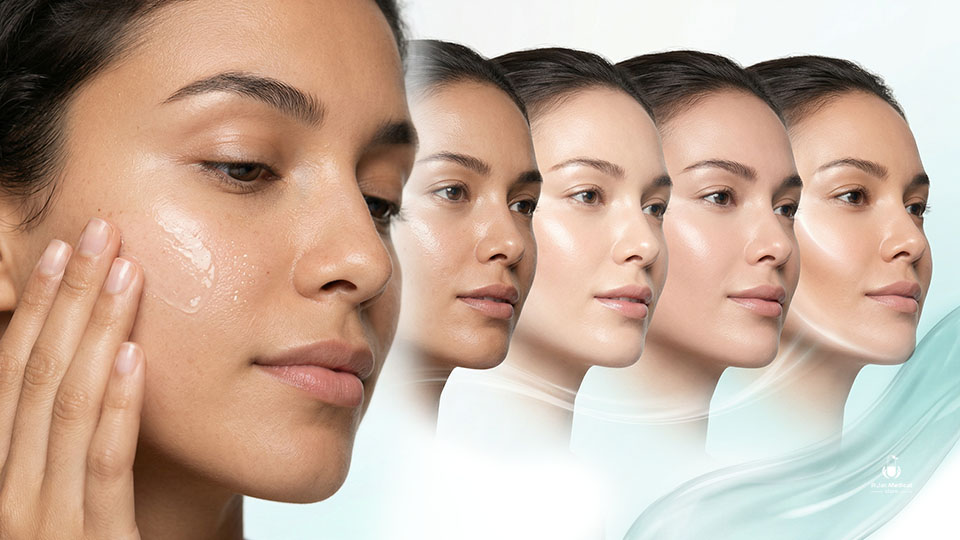
Everyone wants clear, smooth, and naturally glowing skin. That fresh, healthy look is often called glass skin — skin that looks soft, hydrated, and radiant from every angle.

But in reality, many people deal with dullness, dryness, uneven tone, and tired-looking skin. If you’re wondering how to achieve glass skin, the solution is not complicated. It comes down to a simple skincare routine for glass skin, the right products, and consistent care.

With the right approach, achieving hydrated and glowing skin becomes realistic and sustainable.

What Is Glass Skin?

Glass skin is skin that looks:

  • Smooth and refined
  • Deeply hydrated
  • Clear and even-toned
  • Naturally radiant

It reflects light evenly, giving a fresh and healthy glow without heavy makeup.

This look is not about perfection. It is about healthy, well-maintained skin built through a proper glowing skin routine.

Why Most People Struggle to Achieve Glass Skin

Before building a routine, it’s important to understand what usually goes wrong.

Most skin issues come from simple habits:

  • Lack of hydration makes skin look dull
  • Inconsistent routines slow down results
  • Using the wrong products can irritate skin
  • Sun exposure causes pigmentation and uneven tone
  • Overusing products damages the skin barrier

Fixing these basics can make a big difference.

Step-by-Step Skincare Routine for Glass Skin

A consistent routine is the foundation of glass skin. You don’t need too many steps — just the right ones.

Step 1: Cleansing

Clean skin is the first step to healthy skin.

  • Removes dirt, oil, and buildup
  • Helps other products work better

Step 2: Exfoliation (2–3 Times Weekly)

This step improves texture and brightness.

  • Removes dead skin cells
  • Makes skin smoother and clearer

Step 3: Toning

Toner prepares your skin for hydration.

  • Balances skin
  • Refreshes and softens

Step 4: Serum

A key step for hydrated and glowing skin.

  • Boosts hydration
  • Improves glow and smoothness

Step 5: Treatment

Targets specific concerns like dullness or uneven tone.

Step 6: Moisturizing

Locks in moisture and protects your skin.

  • Keeps skin soft
  • Prevents dryness

Step 7: Sun Protection

One of the most important steps.

  • Prevents sun damage
  • Maintains even skin tone

Best Products to Achieve Glass Skin

Using the right glass skin products UAE helps you see faster and better results. Instead of trying random products, choosing a complete routine makes your skincare more effective.

Skincare Product Comparison Table (Glass Skin Routine)

Product Name

What It Does

Why It Helps

Brightening Facial Serum

Boosts glow and hydration

Smoothens skin and improves radiance

Glow Superfusion Facial

Deep hydration support

Strengthens skin and reduces dullness

Glow Eclat Instant Lifting Concentrate

Instant glow and tightening

Improves skin appearance quickly

Diamond Renewal Peel Scrub

Gentle exfoliation

Removes dead skin and smoothens texture

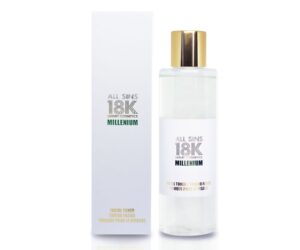
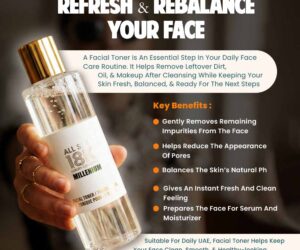
Millenium Facial Toner

Refreshes and balances skin

Prepares skin for better absorption

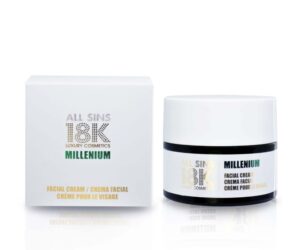
Millenium Facial Cream

Locks moisture and repairs barrier

Keeps skin hydrated and healthy

A wide range of products are available at Ajak Medical, helping you build a complete skincare routine that suits your skin type and goals.

When these products are used together, they support a full skincare routine for glass skin and help you achieve long-lasting glow.

Tips for Faster Glass Skin Results

Small daily habits can improve your results:

  • Drink enough water to keep skin hydrated
  • Stay consistent with your routine
  • Avoid harsh or irritating products
  • Use sunscreen every day
  • Choose high-quality skincare products
  • Maintain a balanced diet and sleep routine

Consistency always gives better results than quick fixes.

Common Mistakes to Avoid

Avoiding mistakes is just as important as following the right routine.

Over-Exfoliating

Too much exfoliation can damage your skin.

Skipping Moisturizer

Hydration is essential for hydrated and glowing skin.

Using Too Many Products

Keep your routine simple and effective.

Ignoring Sunscreen

Sun damage can undo your progress.

Lack of Consistency

Results take time. Stay patient and consistent.

FAQ's

How long does it take to get glass skin?

It usually takes a few weeks to a few months depending on your routine and skin type.

Yes. Glass skin is about hydration, not oil control. Proper hydration works for all skin types.

No. The right products and consistent routine matter more than price.

No. It requires regular care and maintenance.

Cleanse, tone, apply serum, moisturize, and use sunscreen.

Yes. A proper routine, hydration, and healthy lifestyle can help you achieve it.

Achieving glass skin is not about doing more — it is about doing the right things consistently. A simple glowing skin routine, combined with proper hydration and suitable products, can transform your skin over time.

Focus on building healthy habits, protecting your skin, and choosing products that support your skin’s natural balance.

Ajak Medical provides the best skincare products in UAE that help you achieve glass skin easily and effectively.
We provide high-quality skincare solutions designed for hydration, glow, and healthy skin.

Start your routine today and move one step closer to naturally glowing, healthy skin.

What Is the Best Solution for Wrinkles? Here’s What You Should Know

Wrinkles are something almost everyone notices at some point. It often starts small—fine lines around your eyes, a slightly tired look, or makeup not sitting as smoothly as before. Over time, these signs can become more visible, making your skin look dull, tired, and less firm.

If you’ve ever wondered why your skin suddenly looks different—even with the same routine—you’re not alone.

Many people experience:

  • Fine lines appearing earlier than expected
  • Dark circles and under-eye bags
  • Loss of elasticity and firmness
  • Dry, rough skin texture
  • Makeup settling into wrinkles

These concerns can feel frustrating, but the good news is—there are simple and effective ways to manage and reduce wrinkles.

What Causes Wrinkles?

Understanding the cause helps you choose the right wrinkles treatment.

1. Natural Aging (Collagen Loss)

As we age, collagen production slows down. This makes the skin less firm and more prone to wrinkles.

2. Sun Damage (UV Exposure)

Too much sun exposure without protection breaks down skin structure and speeds up aging.

3. Dehydration

When your skin lacks moisture, fine lines become more visible.

4. Stress and Lifestyle

Lack of sleep, stress, and unhealthy habits can make your skin age faster.

5. Poor Skincare Routine

Not using the right products—or skipping skincare—can worsen wrinkles.

Common Problems People Face with Wrinkles

Wrinkles are not just about age. Many people deal with:

  • Early aging signs in their 20s or 30s
  • Puffy eyes and fluid retention
  • Confusion between fine lines and deep wrinkles
  • Uneven, rough skin texture
  • Skincare products that don’t show results

This is why finding the best solution for wrinkles becomes so important.

What Is the Best Solution for Wrinkles?

There is no single quick fix. The best results come from combining the right steps:

✔ Hydration

Keeps skin soft, smooth, and reduces fine lines

✔ Collagen Support

Improves firmness and elasticity

✔ Antioxidants

Protect skin from damage and early aging

✔ Consistent Skincare Routine

Daily care gives long-term results

✔ Targeted Treatments

Eye care, serums, masks, and oils help treat specific areas

Best Skincare Products for Wrinkles

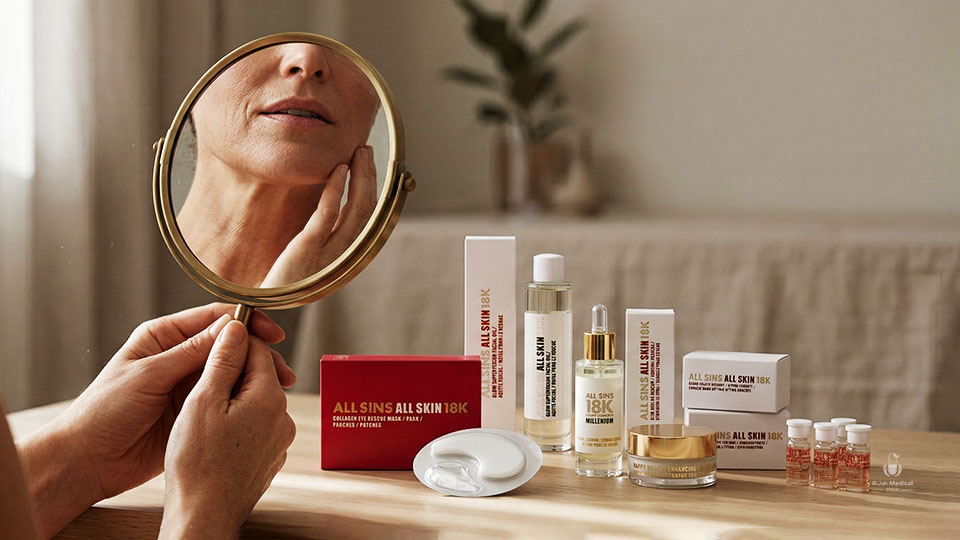
Choosing the right products can make a visible difference in your skin. At Ajak Medical, carefully selected skincare solutions are designed to support anti-aging care in a simple and effective way.

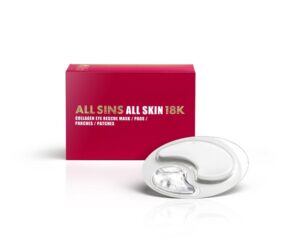
🌿 COLLAGEN EYE RESCUE MASK

A gentle solution for the delicate under-eye area. Helps reduce puffiness, minimize eye bags, and smooth fine lines while improving hydration and elasticity.

🌿 GLOW ECLAT INSTANT LIFTING CONCENTRATE

A lightweight concentrate that gives an instant lifting effect. Helps tighten the skin, improve brightness, and reduce signs of fatigue. Perfect before makeup.

🌿 GLOW SUPERFUSION FACIAL OIL

Deeply nourishes the skin and improves hydration. Rich in antioxidants, it helps reduce wrinkles and enhance skin firmness while giving a natural glow.

🌿 HAPPY BEAUTY ENHANCING FACIAL CREAM

A daily cream that moisturizes and protects the skin. Helps prevent early aging, improve elasticity, and keep skin soft and smooth.

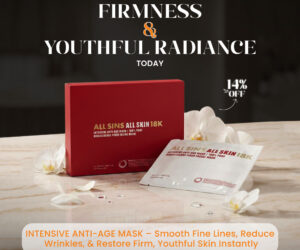
🌿 INTENSIVE ANTI-AGE MASK (BIOCELLULOSE MASK)

A deeply nourishing mask that improves skin texture, reduces fine lines, and supports overall skin firmness.

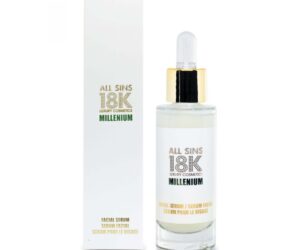
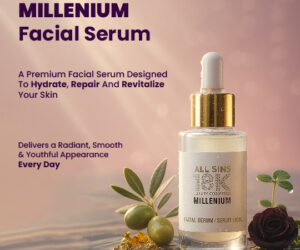
🌿 MILLENIUM FACIAL SERUM

A fast-absorbing serum that boosts hydration and supports collagen. Helps smooth wrinkles and restore skin brightness.

🌿 STEM CELL EYE RESCUE CONTOUR ESSENCE

A gentle gel for sensitive areas like eyes and lips. Helps reduce puffiness, improve elasticity, and smooth wrinkles.

Quick Comparison Table: Best Solutions for Wrinkles

Solution Type

What It Does

Best For

Key Benefit

Hydration (Creams & Oils)

Keeps skin moisturized

Dry skin, fine lines

Plumps skin & smooths wrinkles

Collagen Support (Serums)

Boosts skin structure

Aging skin

Improves firmness

Eye Care (Masks & Gels)

Targets delicate areas

Under-eye wrinkles

Reduces puffiness & dark circles

Face Masks

Deep nourishment

Dull, tired skin

Improves texture & glow

Antioxidants

Protects skin

All skin types

Slows aging signs

Lifting Concentrates

Tightens skin instantly

Loose skin

Gives instant glow & firmness

Simple Daily Routine to Reduce Wrinkles

You don’t need a complicated routine—just consistency.

Daily Routine:

  1. Cleanser – removes dirt and oil
  2. Serum – hydrates and repairs
  3. Eye care – targets fine lines
  4. Moisturizer – locks hydration
  5. Facial oil (optional) – adds nourishment

Weekly Routine:

  • Use face masks 1–2 times per week

Tips to Prevent Wrinkles Naturally

  • Drink enough water
  • Use sunscreen daily
  • Get proper sleep
  • Manage stress
  • Eat healthy, balanced foods

These habits support long-term anti-aging skincare.

FAQs About Wrinkles

What is the best treatment for wrinkles?

The best treatment includes hydration, collagen support, antioxidants, and a consistent skincare routine.

Wrinkles cannot be completely removed, but they can be reduced with proper care.

Starting in your mid-20s helps prevent early aging signs.

Eye masks and eye contour products work best for delicate under-eye areas.

You may see visible improvements in 2–4 weeks with regular use.

Wrinkles are a natural part of life, but with the right care, you can improve your skin’s appearance and keep it looking healthy and youthful. A combination of hydration, targeted treatments, and a consistent routine is the best solution for wrinkles.

We provide best products for wrinkles that help improve skin health, reduce fine lines, and give you a more youthful, glowing appearance, with delivery available across all emirates including Abu Dhabi, Dubai, Sharjah, Ajman, Umm Al Quwain, Ras Al Khaimah, and Fujairah for your convenience.

Common Skincare Problems in UAE and Their Solutions

Living in the UAE means enjoying sunshine almost every day. However, the same sunshine, along with extreme heat, humidity, dust, and constant air conditioning, can seriously affect your skin. Many residents experience common concerns such as hyperpigmentation, oily skin, acne breakouts, dehydration, sensitivity, and premature aging.

The desert climate, combined with modern indoor lifestyles, creates unique skincare challenges. Understanding these problems and their causes helps you protect your skin better throughout the year. In this article, we explore the most common skincare problems in the UAE and the solutions that work best in this environment.

Why the UAE Climate Impacts Skin Health

The UAE’s climate is different from many other regions. The high UV index, intense heat, and dry desert air can weaken the skin barrier and cause visible damage over time.

High UV Exposure

The sun in the UAE is strong year-round. Continuous exposure to UV rays can cause dark spots, uneven skin tone, and early wrinkles. UV damage also breaks down collagen, which keeps skin firm and smooth.

Extreme Heat

High temperatures increase sweating and oil production. When oil mixes with sweat and dust, pores can become clogged, leading to acne and breakouts.

Air Conditioning Dryness

Many people spend long hours indoors in air-conditioned environments. While this provides comfort, it removes moisture from the air and dries out the skin, leading to tightness and sensitivity.

Dust and Pollution

Sand particles and pollution are common in the UAE. These environmental factors can irritate the skin and worsen acne and redness.

Humidity and Sweat

In coastal areas, humidity increases oil production and sweat buildup. This makes the skin feel greasy and can trigger frequent breakouts.

Because of these conditions, skincare in the UAE requires products that protect, hydrate, and balance the skin properly.

Common Skincare Problems in UAE

Below is a clear overview of the most common skin concerns and why they occur in the UAE climate.

Skincare Problems & Solutions Overview

Skincare Problem

Why It Happens in UAE

Common Symptoms

Effective Solution

Key Ingredients

Sun Damage & Hyperpigmentation

Strong UV exposure

Dark spots, uneven tone

Daily SPF protection

Vitamin C, Niacinamide

Dry & Dehydrated Skin

Heat + AC exposure

Tightness, flaking

Deep hydration

Hyaluronic Acid, Ceramides

Acne & Breakouts

Sweat, oil, dust

Pimples, clogged pores

Gentle cleansing

Niacinamide, Salicylic Acid

Oily & Shiny Skin

High temperature & humidity

Greasy skin

Lightweight formulas

Gel moisturizers

Premature Aging

UV + dehydration

Fine lines, wrinkles

Anti-aging care

Retinol, Antioxidants

Sensitive Skin

Climate shifts

Redness, irritation

Barrier repair

Ceramides, Panthenol

Sun Damage & Hyperpigmentation

Sun damage is one of the most common skincare problems in the UAE. Strong UV rays increase melanin production, which leads to dark patches and uneven skin tone.

Common signs include:

  • Pigmentation patches
  • Sunspots
  • Fine lines

Using sunscreen daily is essential in the UAE climate. Products containing Vitamin C and niacinamide also help brighten the skin and reduce pigmentation over time.

Dry & Dehydrated Skin

Even though the UAE is hot, many people suffer from dry and dehydrated skin. Outdoor heat combined with indoor air conditioning strips the skin of moisture.

Common signs include:

  • Tightness
  • Rough texture
  • Dull appearance

Hydrating facial serums with hyaluronic acid and moisturizers with ceramides help restore moisture and strengthen the skin barrier.

Acne & Breakouts

Acne is very common in hot and humid weather. Sweat, oil, and dust quickly clog pores, leading to breakouts.

Common signs include:

  • Whiteheads
  • Blackheads
  • Inflamed pimples

Using gentle cleansers and oil-free skincare products can help control breakouts. Ingredients like niacinamide and salicylic acid are effective for acne-prone skin.

Oily & Shiny Skin

Heat increases oil production, especially in summer. This makes the skin appear shiny and greasy.

Common signs include:

  • Oily T-zone
  • Enlarged pores
  • Makeup breaking down quickly

Lightweight, gel-based moisturizers and oil-free sunscreen work best for oily skin in the UAE.

Premature Aging

The combination of strong sunlight and dehydration accelerates aging.

Common signs include:

  • Fine lines
  • Wrinkles
  • Uneven tone

Anti-aging solutions containing retinol and antioxidants help improve skin texture and reduce early signs of aging. Daily sunscreen remains the most important step.

Sensitive & Irritated Skin

Frequent changes between outdoor heat and indoor cooling systems weaken the skin barrier.

Common signs include:

  • Redness
  • Burning sensation
  • Itching

Gentle facial toners and barrier-repair moisturizers help calm and protect sensitive skin.

Skincare Solutions for UAE Climate

To manage these common concerns, using climate-appropriate skincare products is essential. Ajak Medical offers a wide range of skincare solutions suitable for the UAE environment, including:

  • Facial serums for hydration, brightening, and oil control
  • Moisturizers designed for hot and humid weather
  • Facial toners that refresh and balance the skin
  • Whitening masks to improve skin tone
  • Sunscreen for daily protection
  • Anti-aging solutions with effective ingredients

Clearly, ajak medical provides best skincare products in UAE by focusing on high-quality, skin-safe formulations that support protection, hydration, and repair under extreme weather conditions.

Fast Delivery Across All UAE Emirates

Ajak Medical ensures fast and reliable delivery across:

  • Dubai
  • Abu Dhabi
  • Sharjah
  • Ajman
  • Fujairah
  • Ras Al Khaimah
  • Umm Al Quwain

Residents across all Emirates can easily access trusted skincare solutions without delay.

FAQs

Why is my skin more oily in the UAE?

High temperatures and humidity increase oil production. The skin produces more oil to prevent dehydration.

Using sunscreen with high SPF daily, wearing protective clothing, and limiting direct sun exposure can help protect the skin.

Yes. Air conditioning removes moisture from the air and can cause dryness and irritation.

Lightweight, oil-free products such as gel moisturizers and hydrating serums work well in hot weather.

Cleansing twice daily helps remove sweat, oil, and dust that accumulate during the day.

Yes. Lack of hydration can make the skin dull and increase dryness and sensitivity.

The UAE climate presents unique skincare challenges, from intense sun exposure and humidity to dryness caused by air conditioning. Understanding these environmental factors helps explain why issues like acne, pigmentation, oiliness, and early aging are common.

By choosing suitable skincare products designed for the UAE environment, you can maintain healthy, balanced, and protected skin throughout the year. Ajak Medical continues to support residents with climate-focused skincare solutions tailored to real regional needs.

Related Products

Add to cart
welcome 10 post

Enjoy 10% OFF on your first purchase as a thank you for visiting ❤️

Select at least 2 products
to compare